
You’ve probably seen those lists of the “worst dog breeds for seniors“ and thought, “Yikes…am I not supposed to have a dog like that?“
Here’s the truth: there’s no evil breed and there’s no one-size-fits-all senior owner. What does exist are bad matches, dogs whose needs don’t fit your energy, mobility, or lifestyle right now.
This guide walks you through what “worst dog breeds for seniors“ really means, which types of dogs are usually tougher for older adults, and how you can choose a dog that actually makes your life easier, happier, and safer.
How To Think About “Worst Breeds” For Seniors
When you see a headline about the worst dog breeds for seniors, it sounds a bit harsh. It also misses an important point:
There are no bad breeds – only bad fits.
Veterinary groups like the AVMA and organizations such as the AKC constantly stress that individual temperament, training, and environment matter more than breed stereotypes.
So instead of thinking, “That breed is bad for seniors,“ it’s better to think:
- Can I safely walk and handle this dog?
- Can I meet this dog’s exercise and mental-stimulation needs?
- Does this dog’s size, energy, and personality fit my health and home?
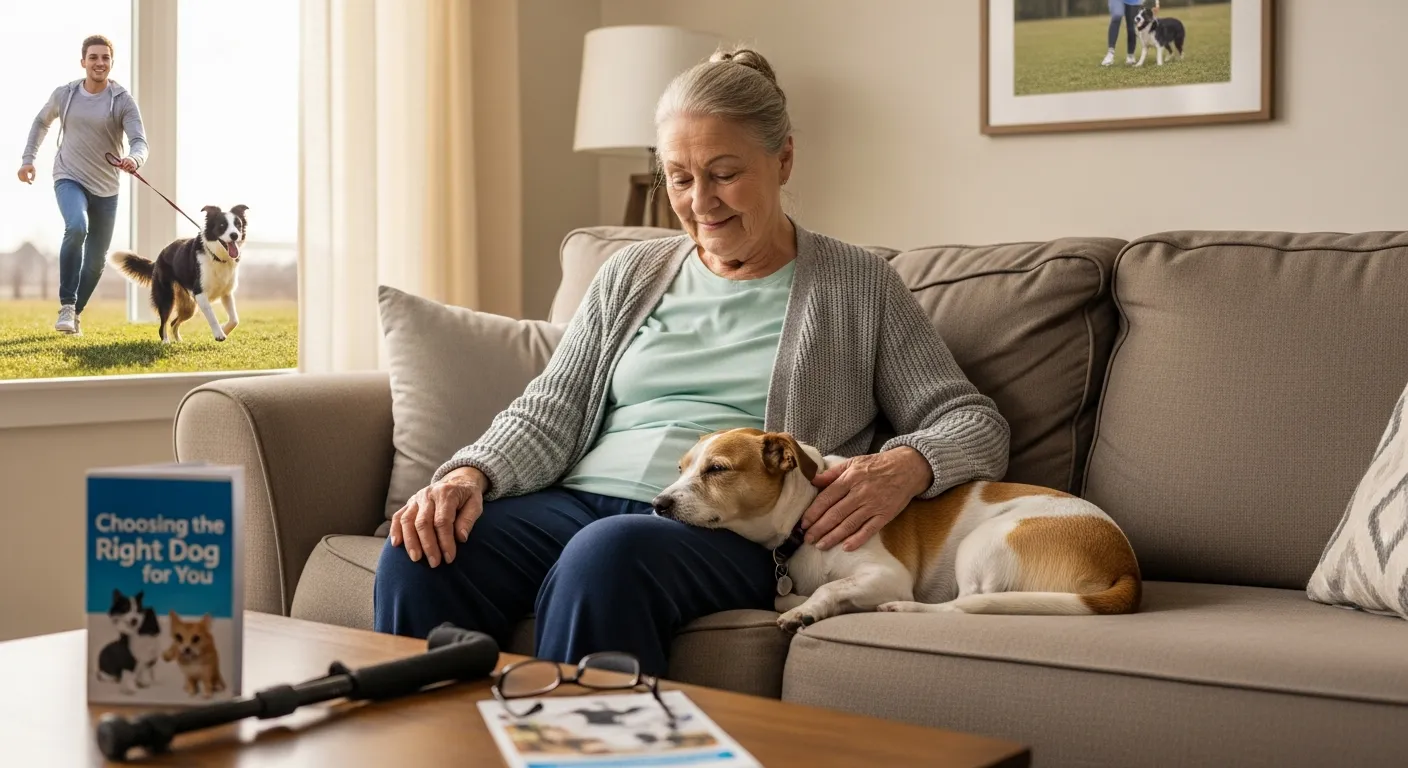
A 75-year-old with arthritis and balance issues is going to have very different needs than a super-active 65-year-old who hikes every weekend. The same Border Collie that overwhelms one person might thrive with another who loves long walks and puzzle games.
So as we talk through high-energy or powerful breeds, don’t hear it as: “You can’t ever have this dog.“ Hear it as: “Think carefully about whether this is a safe, realistic match for your life.“
Key Lifestyle Factors Seniors Should Consider Before Choosing A Dog

Before you worry about specific breeds, it helps to look honestly at your day-to-day life. This is exactly what most good shelters and vets will help you do.
Here are the big things to think about:
1. Energy level and exercise needs
Some dogs are happy with a couple of short walks and couch time. Others are bred to run, herd, or work all day.
Ask yourself:
- How far can you comfortably walk, every day?
- Do you have safe outdoor space, or will every potty break mean a leashed walk?
- Would you enjoy an energetic dog…or would that secretly stress you out?
If high daily exercise sounds exhausting, you’ll want to avoid the worst dog breeds for seniors in the high-energy working group (we’ll get to those in a minute).
2. Size and strength
Large dogs aren’t automatically bad for seniors, but they do come with risks:
- A strong dog lunging at a squirrel can pull you off balance.
- Going up and down stairs with a big dog can be tricky.
- If they develop mobility issues later, you may not be able to lift or help them.
If you have osteoporosis, joint problems, or use a cane/walker, a powerful dog can turn everyday walks into a fall risk.
3. Grooming and health needs
Some breeds need:
- Regular professional grooming
- Daily brushing to prevent mats
- Ongoing vet care for chronic health issues
If you don’t enjoy grooming or your budget is tight, a “high-maintenance“ dog may not be ideal. It’s not just time, it’s also money and physical effort.
4. Temperament and noise level
Think about:
- Do you live in an apartment or condo with thin walls?
- Do you value a quiet, peaceful home?
- Are you okay with a dog who’s a little stubborn or independent?
Breeds known for constant barking, protectiveness, or stubborn training can be frustrating. Seniors often do better with dogs that are naturally more easy-going and eager to please.
When you match these lifestyle factors first, you’ll automatically avoid many of the worst dog breeds for seniors without having to memorize a giant list.
High-Energy Working Breeds That Can Overwhelm Many Seniors
Let’s talk about the dogs that most often show up on “too much for seniors“ lists: the high-energy working and herding breeds.
These dogs are smart, intense, and bred for jobs like herding sheep, pulling sleds, or running long distances. When they don’t get enough exercise and mental work, behavior problems pop up: chewing, barking, pacing, nipping, or anxiety.
Common examples include:
- Border Collies
Incredibly intelligent, bred to herd all day. A quick walk around the block won’t cut it. They usually need serious daily exercise plus training games.
- Australian Shepherds
Another herding breed with lots of stamina. Without outlets, they can become mouthy, jumpy, and destructive.
- Jack Russell Terriers & other working terriers
Small but mighty. They were bred to chase and dig after prey. They often need lots of play, supervision, and firm, consistent training.
- Siberian Huskies
Built to pull sleds for miles. They’re notorious escape artists and need intense exercise. An under-exercised Husky can become a howling, destructive hurricane.
- Dalmatians
Originally carriage dogs, they have more energy than their cute spots suggest. Bored Dalmatians can develop problem behaviors quickly.
Why they can be the worst match for some seniors:
- They often need 60–90+ minutes of real exercise a day, not counting training.
- They get bored easily, so they need puzzle toys, training sessions, and jobs.
- When their needs aren’t met, they may develop anxiety or pushy behavior that’s hard to manage physically.
If you’re a very active senior who loves long walks, hiking, and training classes, one of these breeds might work, especially if you adopt a calm adult instead of a puppy. But for most older adults wanting a relaxed companion, these are realistically some of the worst dog breeds for seniors to choose from.
Very Large And Powerful Breeds That May Be Hard To Handle
The next big group that can be risky for seniors? Very large, muscular, or highly protective breeds.
These dogs aren’t “bad.“ Many are loyal and loving. The issue is strength + protectiveness + size.
Common examples include:
- Pit Bull–type dogs (various bully breeds)
- Rottweilers
- Doberman Pinschers
- German Shepherd Dogs
- Cane Corsos and other mastiffs
- Great Danes
- Saint Bernards
Why they can be a poor fit for many seniors:
- They’re often very strong, especially on leash.
- Many are naturally protective, which can turn into reactive barking or lunging without excellent training.
- If they decide to chase a cat, squirrel, or jogger, you need serious physical strength and balance to control them.
- As they age, big dogs are harder to lift, help into cars, or support if they lose mobility.
The AVMA notes that falls are a major health concern for seniors. A dog that knocks you over, even accidentally, can lead to broken bones or long rehab.
This doesn’t mean no senior should ever own, say, a German Shepherd. But if you:
- Live alone
- Have balance or bone-density issues
- Aren’t up for consistent training with a professional
…then these breeds can move from “challenging” into “dangerous, for both of you.“
Smaller, easier-to-handle dogs are often safer and less stressful, especially if you plan to keep your dog into your late 70s or 80s.
Breeds With Complex Grooming Or Health Needs
Another group that sometimes lands on “worst dog breeds for seniors“ lists doesn’t always look difficult at first glance: small, fluffy, or fragile dogs with extra grooming or health quirks.
High-energy, barky toy breeds
Some tiny dogs are adorable but surprisingly demanding:
- Chihuahuas
Very loyal, often to just one person. They’re small and fragile (fall risk for them), can be nervous, and may bark a lot. They also can be tricky to fully house-train.
- Pomeranians
Big personality in a small body. They’re often high-energy, vocal, and need regular brushing to prevent mats. Many are not naturally “easy” for first-time senior owners.
These dogs can still be wonderful companions, but if you have hearing-sensitive neighbors, struggle with bending for accidents, or don’t enjoy constant training, they might not be ideal.
Breeds with intense grooming and health concerns
- Bernese Mountain Dogs
Gentle and sweet, but they’re large, shed heavily, and can have serious health issues like joint problems and cancer. Vet costs and physical demands can add up quickly.
- Heavy-coated or curly-coated breeds (like some designer mixes)
Regular professional grooming every 4–8 weeks can get expensive and logistically difficult if you don’t drive or have easy transport.
If daily brushing or frequent grooming appointments sound like a chore, look for a lower-maintenance coat.
When you factor in grooming, barking, and potential house-training challenges, some of these dogs drift into “worst dog breeds for seniors for practicality,“ even if they’re small and cute.
Matching The Right Dog To A Senior’s Life Instead
Now for the good part: what does make a dog a great match for seniors?
Most experts recommend you look for dogs that are:
- Low to moderate energy
- Small to medium-sized (easier to handle)
- Friendly, social, and people-oriented
- Trainable and eager to please
Breeds and types that often work well for seniors
Remember, individuals vary, but these are often better choices than the typical “worst dog breeds for seniors“ lists:
- Poodles (Toy or Miniature) – Smart, trainable, low-shedding coats (though they do need grooming). Usually very people-focused.
- Shih Tzus – Generally affectionate lapdogs with moderate energy. Short daily walks and playtime usually meet their needs.
- Bichon Frises – Cheerful, social, and often recommended for families and seniors alike.
- Cavalier King Charles Spaniels – Gentle, cuddly companion dogs. (Do watch for heart and eye issues: good breeders and vet care are essential.)
- Mixed-breed adult dogs – Honestly, some of the best pets for seniors are adult rescues with known temperaments and moderate energy.
Why an adult dog is often easier than a puppy
- Puppies need constant supervision and frequent potty breaks.
- They go through a chewy, nippy phase that can be hard on thin senior skin.
- Training a brand-new puppy from scratch takes time, patience, and physical effort.
Adult dogs from shelters or rescue groups often:
- Are already house-trained
- Have calmer, predictable personalities
- Come with notes from foster homes about what they’re like in real life
How to “test-drive“ the match
Before you adopt:
- Do a meet-and-greet: Spend time walking the dog, petting them, and seeing how they respond to you.
- Ask about energy level: Shelter staff and foster homes usually know who’s a couch potato vs. who’s a marathon runner.
- Be honest about your health: Tell the rescue or breeder about any mobility, balance, or stamina concerns.
- Consider support: Do you have family, friends, or a dog walker who can help with exercise or vet trips if needed?
That honesty up front is what keeps you from accidentally picking one of the worst dog breeds for seniors for your particular situation.
A well-matched dog should make walks feel enjoyable, not stressful or risky.