
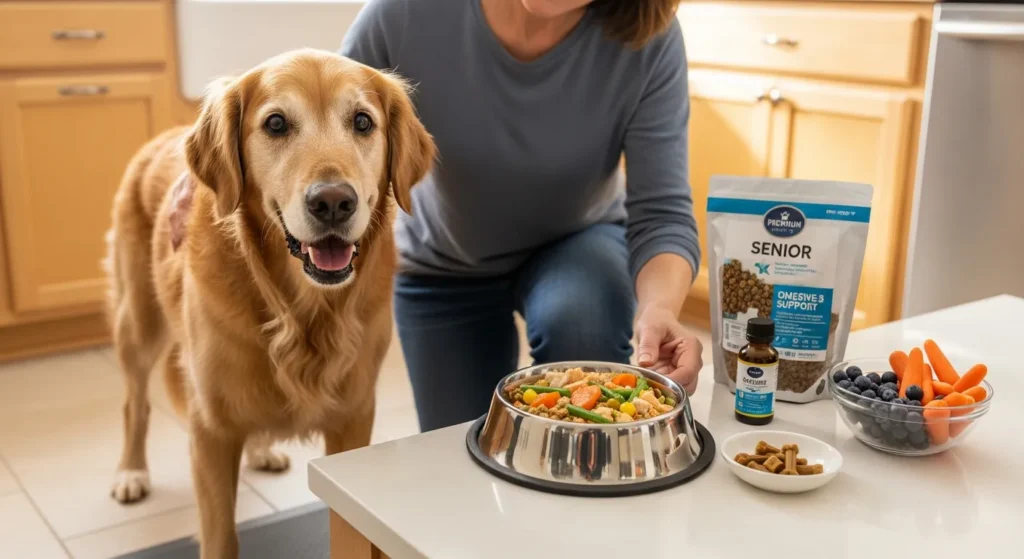
As our dogs gray around the muzzle and slow down on walks, many of us wonder the same thing: “Should we be feeding them differently now?“
The short answer is yes. A smart senior dog diet can help protect muscle, ease joint pain, support digestion, and keep our pups more comfortable for longer. There isn’t one perfect “senior” formula that fits every dog, but there are clear nutrition principles we can use, then fine-tune with our vet.
In this guide, we’ll walk through how aging changes your dog’s needs, what to look for in senior dog food, and simple daily habits that support a longer, happier life.
How Aging Changes Your Dog’s Nutritional Needs
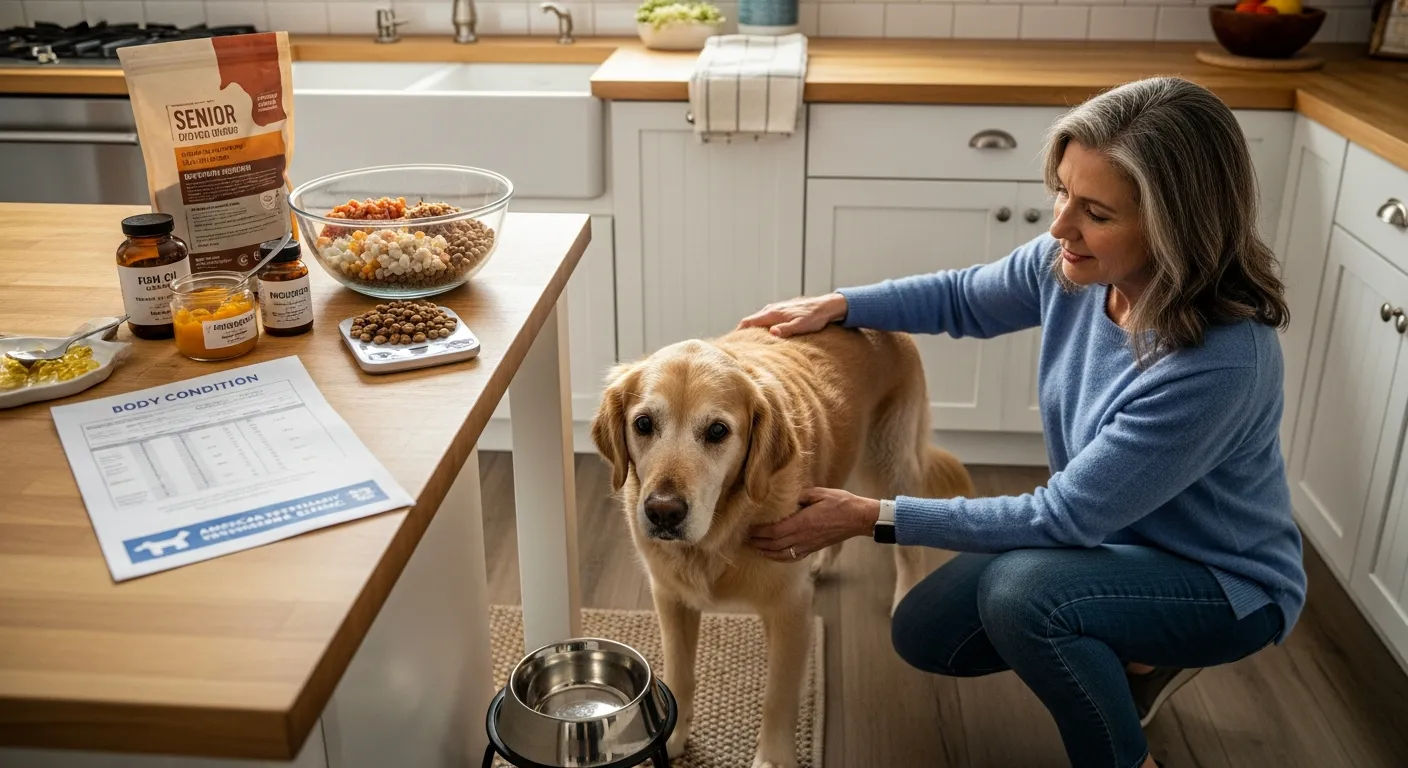
Aging doesn’t flip a switch overnight, but slowly, our dogs’ bodies work a little differently. According to veterinary nutrition research and groups like the American College of Veterinary Nutrition (ACVN):
- Metabolism often slows
- Muscle naturally declines if protein isn’t adequate
- Joints show wear and tear
- Digestion can become less efficient
That’s why a thoughtful senior dogs diet usually means adjusting calories, protein, fat, and fiber, not just buying any bag labeled “senior.“
Slower Metabolism And Weight Changes
Many older dogs don’t burn calories as quickly as they used to. They may:
- Gain weight on the same amount of food
- Move less due to arthritis or stiffness
- Carry more fat and less muscle than they did at 3–5 years old
But here’s the tricky part: not all seniors gain weight. Some actually lose too much and look bony, especially over the ribs, spine, and hips. That can be a sign of muscle loss, dental pain, underlying disease, or simply that their food isn’t meeting their changing needs.
What we can do:
- Check body condition monthly by feeling ribs and waist, not just looking from above.
- Adjust calories slowly, usually by changing portion size, not cutting food sharply.
- Ask our vet for a target weight and calorie range, since caloric needs vary widely between foods and dogs.
Muscle Loss, Joint Wear, And Mobility Concerns
As dogs age, they’re prone to sarcopenia, age-related muscle loss. Studies suggest seniors may need 20–30% more protein than healthy adults to maintain lean mass.
At the same time, years of running, jumping, and playing can leave joints inflamed and arthritic. This is where nutrition becomes a powerful tool:
- Higher, high-quality protein helps maintain muscle that supports joints.
- Omega-3 fatty acids (EPA and DHA from fish oil) can reduce inflammation and help with stiffness.
We want to prioritize protein, not restrict it automatically just because a dog is older. The exception: dogs with specific issues such as advanced kidney disease, where vets may recommend a more tailored approach (often moderate, not extremely low, protein with controlled phosphorus).
Digestive Changes And Sensitive Stomachs
Older dogs can experience:
- Slower gut motility (leading to constipation)
- Changes in gut bacteria
- Reduced ability to digest certain fats
- More frequent gassy or loose stools
For many seniors, we can help by:
- Adding moderate fiber for better stool quality and regularity
- Including prebiotics and probiotics to support a healthy microbiome
- Considering wet or gently cooked foods, which some seniors digest more comfortably than very dry kibble
If we notice new vomiting, diarrhea, or big changes in stool, that’s a cue to talk to our vet before making big diet moves on our own.
Key Nutrients Every Senior Dog Diet Should Include

While there’s no official AAFCO “senior” nutrient profile, most experts agree on a few key pillars for a healthy senior dog diet.
High-Quality Protein To Protect Muscle
Protein quality matters as much as quantity. We want:
- Named animal proteins (chicken, turkey, beef, salmon, eggs) as main ingredients
- Adequate total protein, usually above adult maintenance minimums
- Balanced amino acids, which are easier to get from a variety of animal sources
Signs your senior may need better protein support:
- Thinning muscles over the thighs and shoulders
- Difficulty rising or jumping into the car
- Weight loss even though eating a similar amount
Healthy Fats And Omega-3s For Brain And Joint Health
Healthy fats give energy and help the body absorb vitamins. For seniors, we especially care about omega-3s (EPA/DHA) from marine sources:
- Support joint comfort in dogs with arthritis
- Help with cognitive function and brain health
- May support heart and kidney health
Many vets suggest adding a fish oil supplement or choosing foods that already include marine omega-3s. Always confirm dose with your veterinarian, particularly if your dog is on blood thinners or has clotting issues.
Fiber, Prebiotics, And Probiotics For Digestion
The right kind of fiber can:
- Help with constipation and loose stools
- Support healthy anal glands
- Feed friendly gut bacteria (when using prebiotic fibers like FOS or inulin)
Probiotics can:
- Improve stool quality
- Help some dogs with stress-related diarrhea
- Support overall GI health
We don’t need a super high-fiber diet for every senior, but a moderate fiber level with added pre- and probiotics is often a sweet spot.
Vitamins, Minerals, And Antioxidants For Immune Support
Older immune systems can use a little extra backup. Ingredients that support this include:
- Vitamin E and C (antioxidants)
- Zinc and selenium (immune and skin health)
- Natural antioxidant sources like blueberries, spinach, or carrots in some diets
We don’t want to layer on random supplements without guidance (too much can be harmful), but a balanced senior formula usually takes these needs into account.
How To Choose The Right Food For Your Senior Dog
Standing in the pet-food aisle can feel overwhelming. Bags shout “senior,“ “healthy weight,“ “longevity,“ and it’s hard to know what’s actually meaningful.
Reading Labels: What To Look For And What To Avoid
Focus on the essentials first:
Look for:
- An AAFCO statement saying the food is complete and balanced
- A named protein as a main ingredient
- Clear calorie information (kcal per cup or can)
- Protein and fat levels appropriate for your dog’s size, activity, and health
- Added omega-3s, joint support (glucosamine/chondroitin), or probiotics, when possible
Be cautious about:
- Assuming all “senior” foods are lower calorie or higher protein, they’re not consistent
- “All-life-stages“ foods with very high calories if your senior is less active
- Extremely low-protein formulas unless your vet has recommended them
Senior Formulas, Breed Size, And Special Health Conditions
Not every older dog needs a bag that literally says “senior.“ What matters more is matching the food to your dog’s body and medical picture:
- Small-breed seniors often do well with more energy-dense food in smaller kibble sizes.
- Large-breed seniors may benefit from joint-support ingredients and moderate calories to avoid extra weight on hips and knees.
- Dogs with kidney, liver, or heart disease often need specific prescription diets with controlled phosphorus, sodium, and sometimes adjusted protein.
If your dog has a diagnosis (like kidney disease, pancreatitis, or severe allergies), we should always loop our vet into food decisions.
Kibble, Canned, Fresh, And Homemade Diets: Pros And Cons
Each style has trade-offs:
Kibble
- Convenient, usually more affordable
- Helps some dogs with chewing practice, though it doesn’t “clean teeth” on its own
- May be hard for dogs with severe dental disease
Canned / Wet
- Softer and more aromatic, great for picky eaters or dental issues
- Usually higher moisture, which can support hydration
- Often more expensive per calorie
Fresh / Gently Cooked
- Highly palatable, often easy to digest
- Can be tailored by veterinary nutritionists
- Must be from a reputable company or balanced by a vet nutritionist to avoid nutrient gaps
Homemade
- Allows control over ingredients
- High risk of being unbalanced without a veterinary nutritionist’s recipe
If we love the idea of homemade or fresh diets, the safest route is working with a board-certified veterinary nutritionist or using a well-established company that formulates to AAFCO standards and has vet input.
Adjusting Portion Sizes And Meal Timing
Once we’ve picked a food, the next step is dialing in how much and how often to feed our senior dog.
Finding Your Dog’s Ideal Body Condition
Most vets use a Body Condition Score (BCS) scale from 1–9:
- 4–5/9 is usually ideal
- Ribs are easy to feel but not sharply visible
- There’s a visible waist from above and a slight tummy tuck from the side
What we can do at home:
- Run our fingers over the ribs once a week
- Take monthly photos from the top and side to spot slow changes
- Ask our vet to score our dog at each visit and set a target score
How Much To Feed And How Often
Start with the feeding guide on the bag or can, based on your dog’s ideal (not current) weight. Then:
- Recheck weight and body condition every 2–4 weeks
- Adjust portions by 5–10% at a time until weight is stable where we want it
Many seniors do better with two or three smaller meals a day instead of one big one:
- Supports steadier energy
- Can help with acid reflux or vomiting bile
- Easier on joints if they’re not gulping one huge meal
Transitioning To A New Diet Safely
Older dogs are often more sensitive to abrupt diet changes. To avoid upset stomach:
- Days 1–3: 75% old food, 25% new
- Days 4–6: 50% old, 50% new
- Days 7–10: 25% old, 75% new
- Day 11+: 100% new food
If we see vomiting, diarrhea, or major gas, we can slow the transition or pause and call our vet, especially if our dog has other health issues.
Common Senior Health Issues And Diet Tweaks That Help
Diet isn’t a cure-all, but for many senior conditions, it’s a powerful part of the care plan.
Arthritis, Joint Pain, And Mobility Problems
For stiff, slow, or arthritic seniors, we can support comfort by:
- Keeping them at a lean body weight (extra pounds are hard on joints)
- Choosing foods or supplements with omega-3s (EPA/DHA)
- Looking for glucosamine and chondroitin in the diet or as separate vet-approved supplements
We’ll still likely need pain-control strategies from our vet, but a joint-friendly diet can reduce day-to-day strain.
Kidney, Liver, And Heart Concerns
If our senior develops kidney, liver, or heart disease, diet usually becomes a core part of treatment.
- Kidney disease: Often requires controlled phosphorus and sometimes adjusted protein and sodium.
- Liver disease: May benefit from easily digestible protein and added antioxidants: some vets use supplements like SAMe.
- Heart disease: Often needs limited sodium to reduce fluid buildup, plus careful calorie management.
In these cases, it’s important not to guess. Prescription or custom diets are typically designed around current veterinary research and are safer than home “experiments.“
Dental Issues, Picky Eating, And Appetite Loss
Older dogs frequently have dental disease, mouth pain, or reduced sense of smell. That can show up as:
- Dropping kibble
- Chewing on one side
- Taking longer to finish meals
- Walking away from food entirely
To help:
- Switch to softer textures: canned, moistened kibble, or fresh food
- Warm food slightly and mix with a bit of low-sodium broth for aroma
- Offer smaller, more frequent meals
Appetite loss that lasts more than a day or two, especially with vomiting, diarrhea, or lethargy, deserves a vet visit, not just a food change.
Simple Daily Habits To Support Your Senior Dog’s Diet
The best senior dogs diet is more than what’s in the bowl, it’s also how we feed, hydrate, and support our dogs every day.
Hydration, Treat Choices, And Supplements
- Fresh water at all times, with extra bowls on each floor for arthritic dogs
- Consider a pet fountain if your dog likes running water
- Use low-calorie treats (lean meat, veggie bites like green beans or carrots, or vet-approved commercial treats)
- Count treats as part of the daily calorie budget
Supplements worth asking our vet about for seniors:
- Fish oil (for omega-3s)
- Joint supplements (glucosamine, chondroitin, green-lipped mussel)
- Probiotics for gut support
We always want to run supplements by our vet first to avoid interactions or overdoses.
Keeping Mealtimes Low-Stress And Enjoyable
For many older dogs, small changes can make eating much more comfortable:
- Use non-slip mats and raised bowls if neck or back is stiff
- Feed in a quiet area away from pushy younger pets
- Stick to a predictable schedule, which can help anxious or confused seniors
- Add simple enrichment like snuffle mats or slow feeders if your dog enjoys them and can use them comfortably
When To Call The Vet About Eating Or Weight Changes
We should reach out to our vet if we notice:
- Weight loss or gain over a few weeks without a clear reason
- New or worsening vomiting, diarrhea, or constipation
- Persistent picky eating or refusal of meals
- Increased thirst and urination
- Labored breathing, coughing, or sudden weakness
Catching problems early often means we can adjust diet, medications, or lifestyle before our dog feels really unwell.
Key Takeaways
- A well-planned senior dog diet adjusts calories, protein, and fiber to match slower metabolism and changing body condition rather than relying on any generic “senior” label.
- Older dogs usually need higher-quality, sometimes higher-amounts of protein plus omega-3 fatty acids to preserve muscle, support joints, and reduce inflammation.
- Moderate fiber, along with prebiotics and probiotics, helps many seniors maintain regular, comfortable digestion and healthier stools.
- Choosing the right food for a senior dogs diet means reading labels for complete-and-balanced AAFCO statements, named animal proteins, appropriate calorie levels, and added joint or gut-support nutrients.
- Portion sizes, meal frequency, and a slow 7–10 day transition to new food should be adjusted based on regular body condition checks and guidance from your veterinarian.
- Dental issues, chronic diseases, and appetite changes are common in senior dogs, so early veterinary input and tailored nutrition are essential for comfort and longevity.