
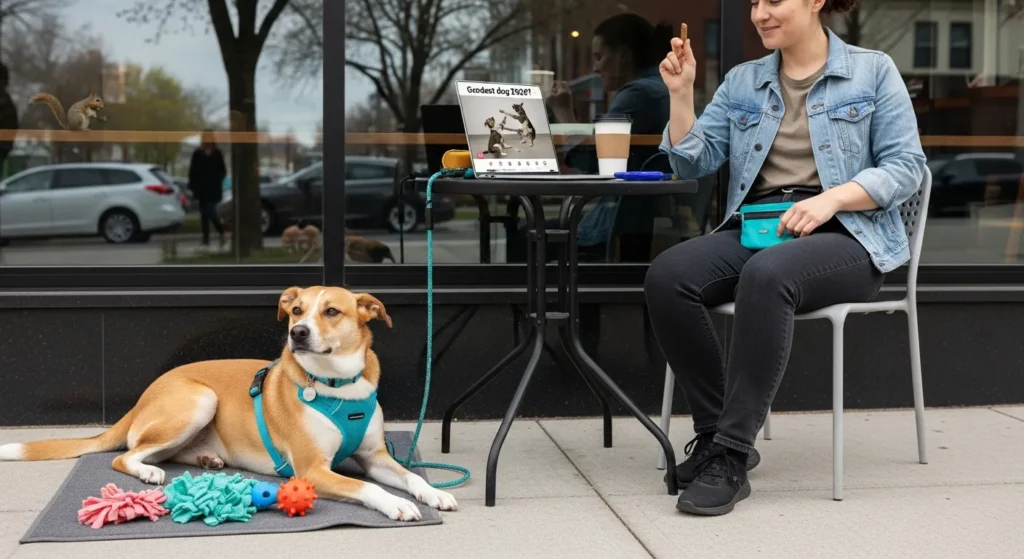
Your dog ignores the squirrel, sits politely at the café table, walks on a loose leash, and chills quietly during your Zoom calls.
In your feed, that dog has a nickname: the “goodest dog.“
By 2026, social media is full of dogs doing therapy visits, viral tricks, and 2,000‑mile charity walks. It’s inspiring, and also a little intimidating. You might wonder:
- Should your dog be that well-behaved?
- Is all the new “goodest dog“ training gear and tech actually worth the money?
- And most important: what really makes a dog happy, healthy, and “good” in real life, not just online?
This guide breaks down what “goodest dog“ really means in 2026, what’s worth investing in, and how you can raise a well‑behaved, content dog without chasing perfection or burning yourself out.
What People Mean By Having the “Goodest Dog”
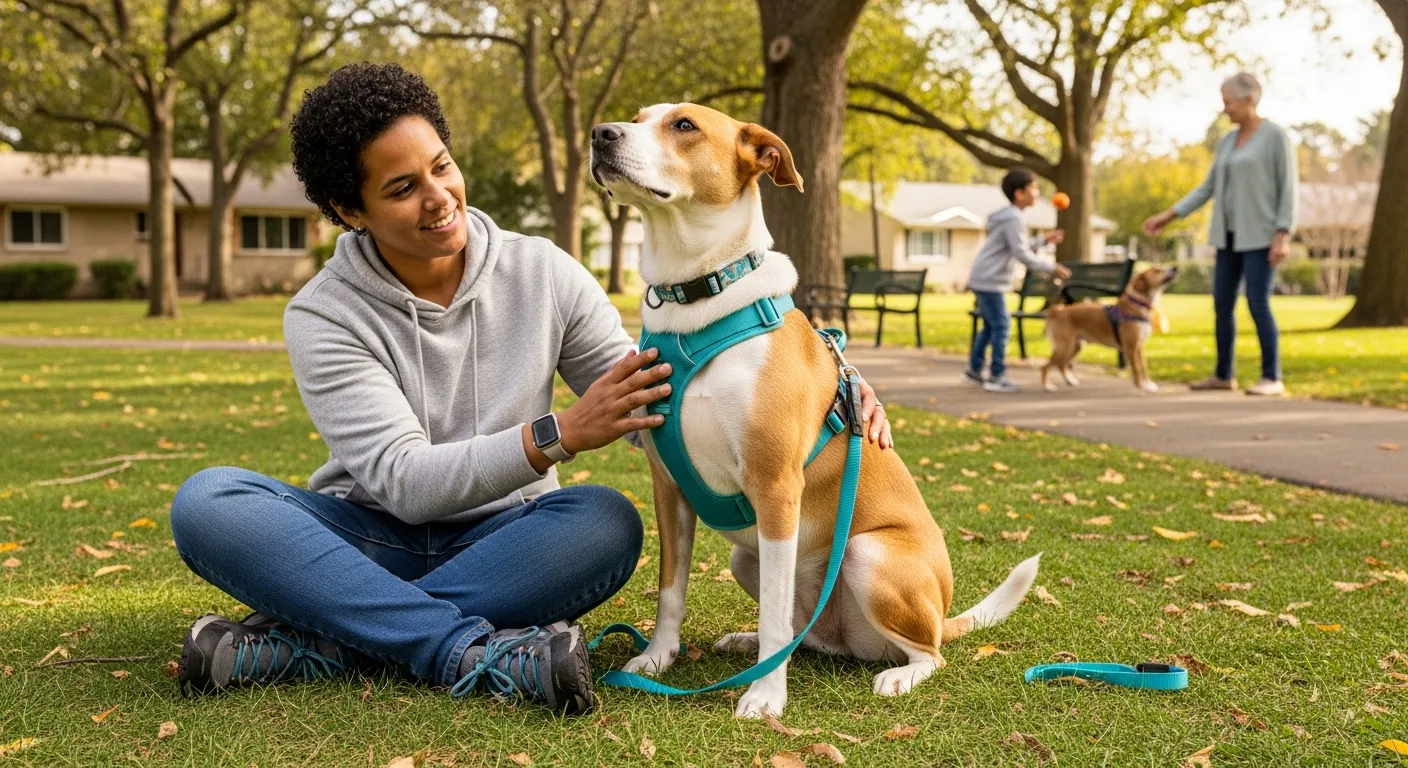
When you (or your neighbors) say, “She’s such a good girl,“ you usually don’t mean morally pure. You mean:
- She listens when you ask her to sit or come.
- She’s gentle with kids or other animals.
- She can relax instead of bouncing off the walls.
- She doesn’t bark at every leaf that moves.
In other words, “goodest dog“ is usually code for “easy to live with.“
Common traits people call “good”
Across cultures and surveys about ideal pet dogs, people tend to value:
- Obedience: Responds to basic cues like sit, stay, come, leave it.
- Calmness: Can settle in the house, not constantly demanding attention.
- Bravery without aggression: Not overly fearful, but not reactive or dangerous.
- Focus: Can pay attention to you even with distractions.
- Sociability: Generally friendly or neutral toward people and dogs.
- Balanced independence: Can be alone sometimes without melting down.
You’ll notice none of that is about fancy tricks. It’s about everyday behavior that makes life safer, calmer, and more enjoyable, for both of you.
And here’s the key mindset shift for 2026: there isn’t one universal “goodest dog.“ A husky who loves running for miles can be a dream for a marathoner and a disaster for someone who hates exercise. “Good” is context, not a single template.
How Dog Life Has Changed By 2026
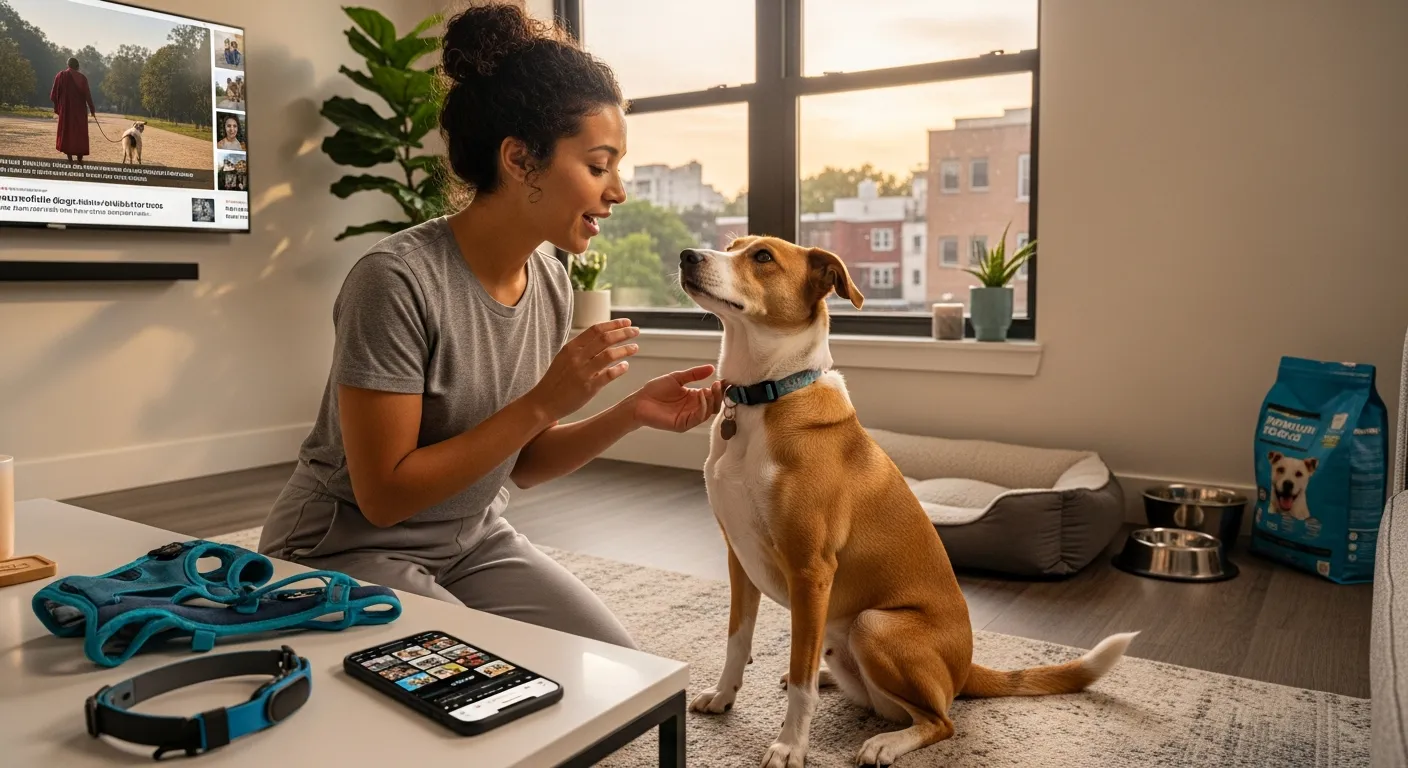
On paper, dogs in 2026 have it pretty good: better vet care, higher‑quality foods, and more people treating them like true family.
At the same time, there’s more pressure, on you and on your dog.
- Social media celebrates extraordinary dogs: service dogs, therapy dogs, rescue heroes, or peaceful walkers like Aloka, the dog who walked over 2,000 miles with monks in a symbolic journey for peace.
- Training clips make it look like well‑behaved dogs just “happen” if you buy the right harness, app, or course.
- Many dogs live in busy urban or suburban areas, where expectations for perfect manners are high, and tolerance for barking or pulling is low.
What science says about praise and connection
Even though all the tech, the basics haven’t changed. Dogs still thrive on:
- Clear communication
- Consistent routines
- Kind, predictable humans
Studies using brain scans show dogs process both our words and tone. When a happy tone matches positive words, reward centers in the brain light up more strongly than either alone. In plain terms: your dog really can tell when “good dog.“ is genuine.
So in 2026, the most powerful “tool” you have isn’t the newest gadget, it’s still your voice, timing, and daily interactions.
The Real Pillars Of A Well-Behaved, Happy Dog
Before you click “buy” on the latest “goodest dog“ gear, it helps to understand what actually creates a dog that feels good and behaves well.
1. Temperament that fits your lifestyle
Some dogs are naturally more chill. Others are intense, sensitive, or driven. None of those are bad: they’re just more or less compatible with certain homes.
Ask yourself:
- Are you active or more couch‑oriented?
- Do you have kids, roommates, or frequent guests?
- Do you want a dog who’s social with everyone, or are you okay with a more reserved, “one‑person“ dog?
A herding mix in a tiny apartment can be happy, but only if you’re meeting their mental and physical needs. What people often label “naughty” is really just mismatched energy or unmet needs.
2. Positive, consistent training
The American Veterinary Society of Animal Behavior (AVSAB) and modern training organizations strongly support reward‑based training over punishment. Why?
- It builds trust and optimism.
- Dogs learn faster when they understand what earns rewards.
- It reduces fear and anxiety, which are common roots of behavior problems.
A solid “goodest dog“ foundation includes:
- A marker word, like “yes“, to tell your dog exactly when they did it right.
- Tiny, frequent sessions (2–5 minutes) instead of marathon training blocks.
- Rewards your dog actually cares about: food, play, sniff breaks, affection.
3. Energy outlets and enrichment
You can’t train away a dog’s need to move, sniff, chew, and think.
Simple daily habits help:
- 1–2 walks that allow sniffing, not just marching.
- Food puzzles or snuffle mats instead of always using a bowl.
- Durable chews approved by your vet.
- Short play sessions (tug, fetch, or chase games) that match your dog’s body and age.
When these needs are met, your dog is far more capable of being calm and attentive.
4. Social skills and calm confidence
“Good” doesn’t mean “loves everyone.“ Many perfectly good dogs are shy or selective. Focus on:
- Neutral, positive exposures to people, dogs, sounds, and places.
- Teaching a default calm behavior (like settling on a mat) for real-life situations: cafés, vet waiting rooms, visitors at home.
Think of these four pillars, temperament fit, positive training, enrichment, and social skills, as the real engine behind any “goodest dog“ you see online.
The 2026 “Goodest Dog” Market: What’s Actually Worth Paying For?
If you search “well‑behaved dog 2026,“ you’ll see:
- Smart collars
- AI‑driven training apps
- Treat‑dispensing gadgets like Train’N’Treat‑style devices
- Calming beds, chews, music, supplements
Some can be genuinely helpful. Others mostly drain your budget.
Likely worth the investment
1. A well‑fitted harness and basic gear
A no‑pull harness, sturdy leash, and comfortable collar can transform daily walks, making training easier.
2. Reward delivery tools that improve timing
Treat pouches, clickers, or simple remote treaters can help you:
- Reward the exact second your dog does something right
- Reinforce calm behavior at a distance (e.g., lying quietly on a mat)
If you struggle with timing or juggling treats, a simple train‑and‑treat tool can be worth it, but only if you’re using it consistently.
3. Quality classes or one‑on‑one training
An experienced, positive‑reinforcement trainer is often the best ROI. Look for:
- Certifications (CPDT‑KA, KPA‑CTP, IAABC, or vet‑recommended trainers)
- Force‑free, science‑based methods
- Clear assignments and support between sessions
4. Puzzle toys and enrichment tools
Food puzzles, lick mats, and sniff-based toys are usually cheaper than vet bills for stress‑related issues. They can:
- Slow down fast eaters
- Take the edge off anxious or high‑energy dogs
- Give you 15–20 minutes of quiet time
Often not worth the hype (by themselves)
1. One‑button “instant obedience” gadgets
Anything that promises a “perfect dog” without your effort is a red flag. Real behavior change needs repetition and relationship.
2. Generic calming products without a plan
Calming beds, sprays, or music can support relaxation, but they won’t fix:
- Separation anxiety
- Leash reactivity
- Aggression
Those need structured training, sometimes with a veterinary behaviorist (especially if fear or aggression is involved).
3. Expensive tech that doesn’t fit your lifestyle
A smart collar with activity tracking is fantastic if you’ll actually use the data. If not, a regular ID tag and microchip (backed by the AVMA and ASPCA as basic safety) are far more important.
When you’re deciding what’s worth it, ask:
“Will this help me reward my dog more consistently, give them more appropriate outlets, or reduce their stress?”
If the answer is yes, it’s likely a good investment. If the answer is “maybe… if I totally change who I am,“ you can probably skip it.
When “Goodest Dog” Goals Go Too Far
Here’s where things can get dicey. The idea of a “goodest dog“ becomes harmful when:
- You expect a dog to be something they’re not wired to be.
- You push training so hard that your dog seems shut down or stressed.
- You feel like a failure because your dog isn’t as perfect as a 30‑second TikTok clip.
1. Mismatched expectations
Examples:
- A naturally wary guardian breed forced to interact closely with every stranger.
- A high‑drive working dog expected to nap quietly for 10 hours with no mental outlet.
- A senior dog compared to their energetic puppy self.
None of those dogs are “bad.“ They’re just in situations that ignore who they are and what they’re built for.
2. Overtraining and emotional fallout
If all of your interactions are about correcting, drilling, or “fixing,“ your dog can:
- Become anxious around you
- Lose confidence in trying new things
- Start offering less behavior overall (they shut down)
Behavior experts and organizations like the AVSAB warn that harsh methods and heavy pressure can increase stress, fear, and even aggression.
3. Forgetting that “good” is about welfare, not performance
A dog who looks perfect in public but:
- Never gets to sniff on walks
- Is left alone for very long days without enrichment
- Is constantly punished for normal dog behaviors
…isn’t actually living a good life.
Your real goal isn’t a flawless dog. It’s a dog who feels safe, understood, and able to succeed in your real world.
A Realistic Plan To Raise Your Own “Goodest Dog”
You don’t need a farm, endless free time, or a professional trainer living in your guest room. You just need small, consistent steps.
Step 1: Match your dog to your life (or adapt to the one you have)
If you’re choosing a dog:
- Research breeds and mixes using sources like the AKC or reputable rescues.
- Be honest about your energy level, work schedule, and tolerance for noise or hair.
If you already have your dog:
- Identify where their needs don’t match your routine yet.
- Add one change this week: a sniffy walk, a food puzzle, or a play session.
Step 2: Build a simple reward system
Pick:
- A marker word: “Yes.“ or “Good.“ said the same way each time.
- A primary reward: tiny treats your dog loves, a toy, or a quick game.
Then practice:
- Ask for an easy behavior (sit, eye contact).
- The moment it happens, say “Yes.”
- Immediately give the reward.
You’re teaching your dog: “When you do X, good things happen.“ This is the backbone of positive training praised by modern veterinary behavior groups.
Step 3: Focus on three real‑life skills
Instead of chasing every trick, double down on:
- Come when called
- Start indoors with no distractions.
- Say your dog’s name + “come” in a happy voice.
- Reward generously when they arrive, like you’re thrilled every time.
- Settle on a mat
- Lay down a bed or mat.
- Reward any interest: stepping on it, lying down, relaxing.
- Gradually add real‑life context: TV time, laptop work, guests over.
- Loose‑leash walking basics
- Reward your dog for being at your side, even for a second.
- If the leash goes tight, stop, wait, and only move again when there’s slack.
- Use high‑value treats in busy environments.
These three skills alone can make your dog feel like a “goodest dog“ in everyday life.
Step 4: Daily mental and emotional care
Aim for a simple daily routine:
- 1–2 walks that allow some sniffing
- One short training session (2–5 minutes)
- One enrichment activity (puzzle, chew, scent game)
- Predictable mealtimes and sleep windows
You don’t have to hit all of these perfectly every day. Think of it like brushing your teeth: consistency over months matters more than a single perfect day.
Step 5: Use praise that actually lands
Remember those brain studies on words and tone? To make your praise count:
- Use a warm, upbeat voice.
- Pair praise with something your dog likes (food, petting, play) so words gain meaning.
- Be specific with yourself about what you’re praising: “good quiet,“ “good sit,“ “good walking with me.”
Over time, your praise becomes its own powerful reward, and your dog becomes more eager to repeat those behaviors.
Conclusion
Balancing Ideals, Your Dog’s Needs, And Your Real Life
By 2026, the “goodest dog“ isn’t the one with the most followers or the fanciest gadgets. It’s the dog whose temperament, training, and lifestyle actually fit the home they’re in.
For you, that might look like:
- A high‑energy pup who runs with you and naps hard afterward.
- A mellow senior who loves slow sniff‑walks and long couch sessions.
- A sensitive rescue who’s learned to feel safe and respond to your gentle cues.
What matters is that:
- Your dog understands what’s expected.
- You give them outlets for their natural dog behaviors.
- You use praise and rewards to build confidence, not fear.
If you focus on those pillars, the “goodest dog“ in 2026 isn’t out there on someone else’s feed. They’re already at the end of your leash, just waiting for clear guidance, kindness, and a routine that makes sense for both of you.
And that’s absolutely worth it.