
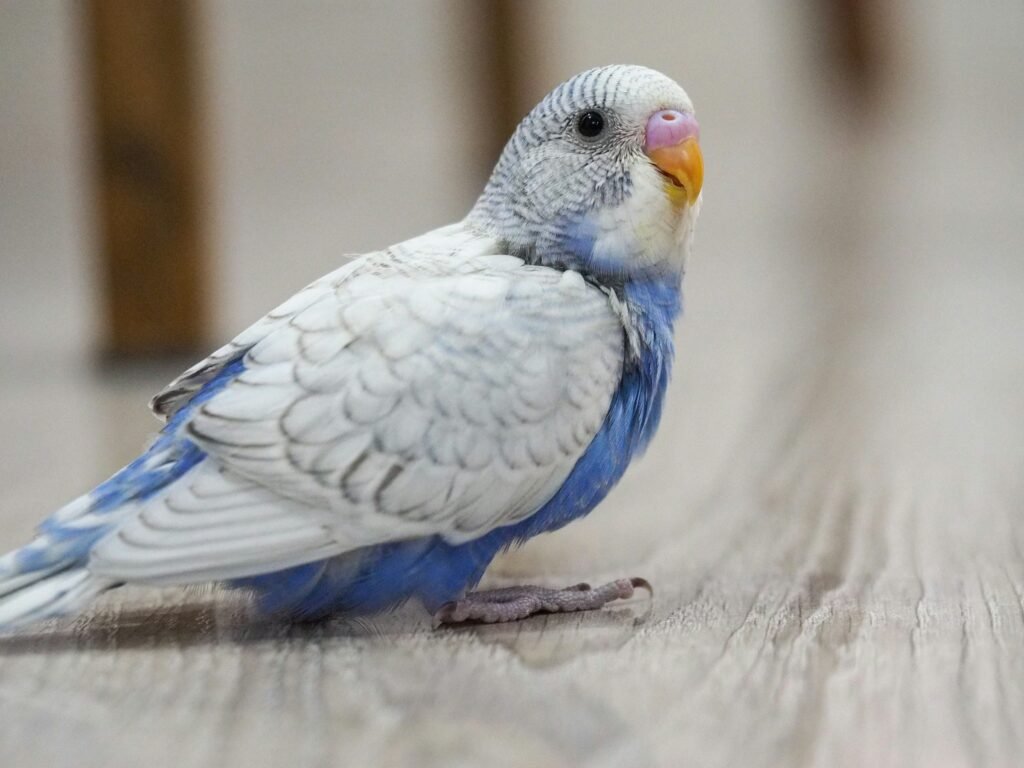
If you’re welcoming a feathered friend into your home, you’re embarking on an exciting adventure.
Birds can bring delight, companionship, and a unique presence to your life. But, caring for them requires understanding their needs and creating a nurturing environment. From proper housing to social interactions, it’s essential to ensure your avian companion thrives. Let’s break down the fundamentals of bird care, helping you become a confident and capable bird owner.
How to Care for Pet Birds
Housing Requirements
To start, your bird’s home should reflect its needs for safety and space.
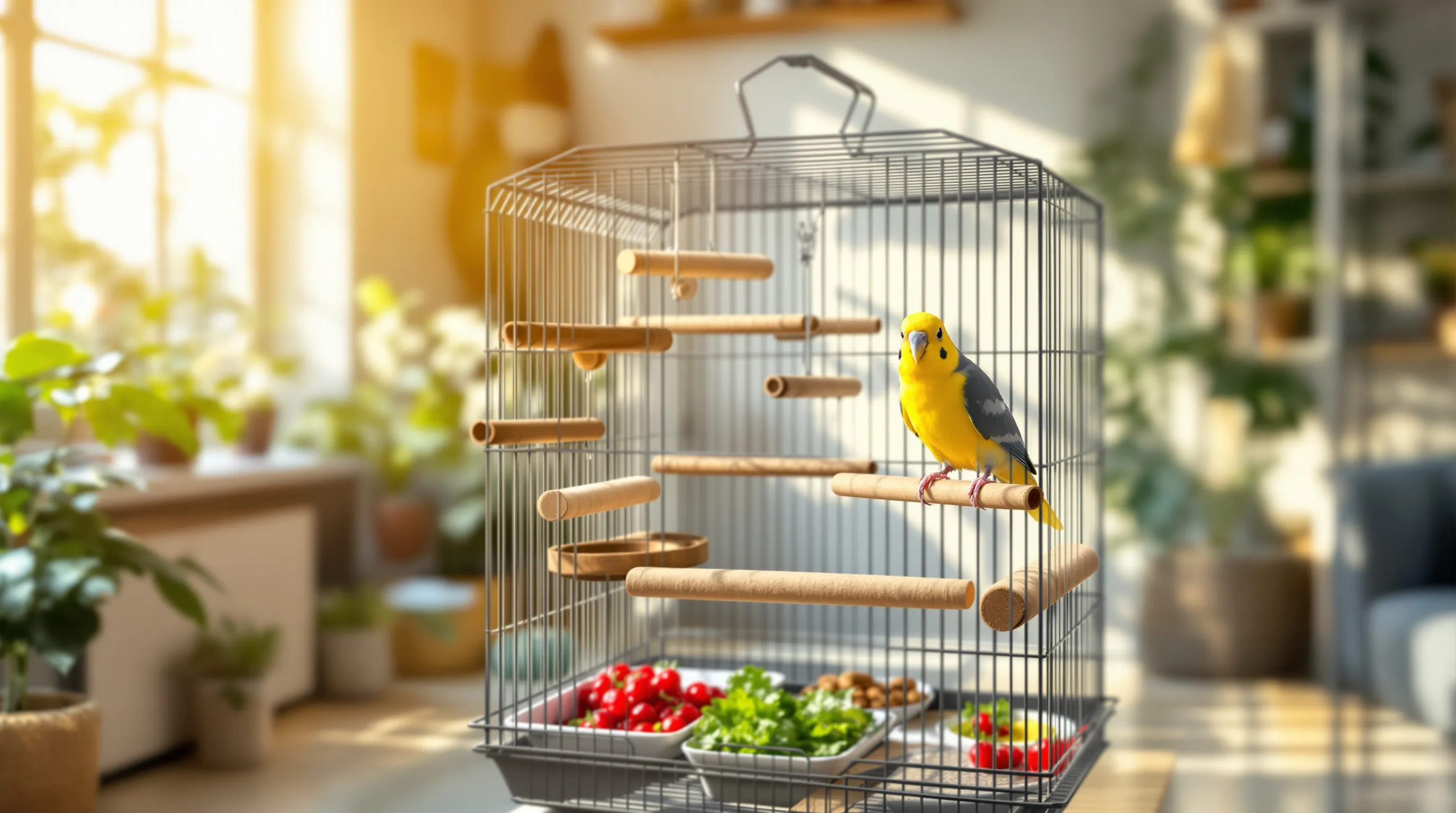
- Cage size: Choose a cage that allows your bird to spread its wings and move around. For small birds like finches or budgies, a minimum size of 18×18x18 inches is recommended, while larger breeds like cockatiels may need bigger, around 24×24x36 inches or more.
- Materials: Ensure the cage is made from non-toxic materials. Avoid cages with lead or zinc coatings, as these can be harmful to your bird.
- Perches: Include several perches of different shapes and sizes. Natural wood perches help keep their feet healthy by providing varied textures and stimulate climbing.
Balanced Nutrition
Proper nutrition is essential for your bird’s health. An ideal diet consists of:
- 75-80% high-quality bird pellets: These serve as a good base, ensuring your bird receives essential nutrients.
- 15-20% fruits and vegetables: Fresh produce adds variety and essential vitamins. Some great options include leafy greens, carrots, apples, and berries. Just remember to wash everything thoroughly and avoid toxic foods like avocados and chocolate.
Daily Maintenance
Your bird’s environment should be clean and welcoming. Here’s what to do daily:
- Change the cage liner and ensure droppings are cleaned up.
- Wash food and water dishes to prevent bacterial growth.
- Ensure fresh water is always available.
Weekly, you should perform a deeper clean with warm water and mild dish soap while allowing your bird some out-of-cage time to explore safely.
Veterinary Attention
Annual vet check-ups are essential since birds tend to hide illness symptoms. Keeping an eye on your bird’s behavior can indicate underlying issues. Regular vet visits allow for early detection of problems and overall health monitoring.
Birds and Their Spaces
Creating a Safe Environment
Ensure your home is a safe place for your bird:
- Close windows and doors to prevent escape during free-flying sessions.
- Make sure no toxic plants or small objects are within reach. Birds are known to nibble on anything they find interesting.
Enrichment and Interaction
Birds are intelligent and require mental stimulation. Consider the following:
- Perches: As mentioned earlier, different textures and diameters for perches are essential for proper foot health.
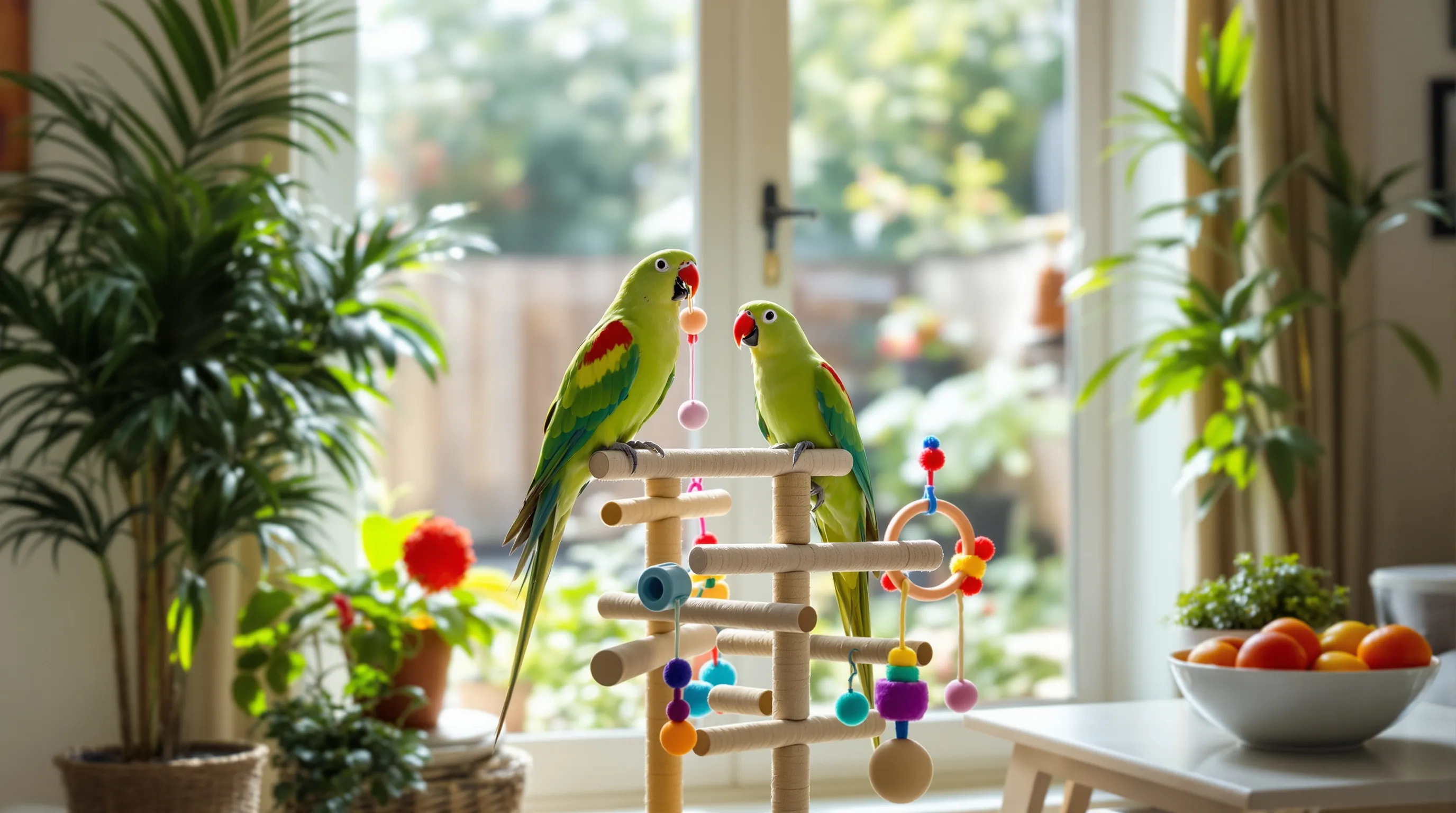
- Toys: Invest in bird-safe toys that encourage foraging, climbing, and problem-solving. Changing toys weekly can prevent boredom and keep their minds active.
- Outside cage activity: Provide playpens or secure areas for supervised play. This allows your bird to explore and exercise safely.
Fresh Food and Water
Always provide fresh food and water both inside and outside the cage. Check daily to ensure no spoiled items are left behind. Your bird’s dietary habits need attention to prevent any unwanted health issues.
A Bird’s Social Needs
Daily Interaction
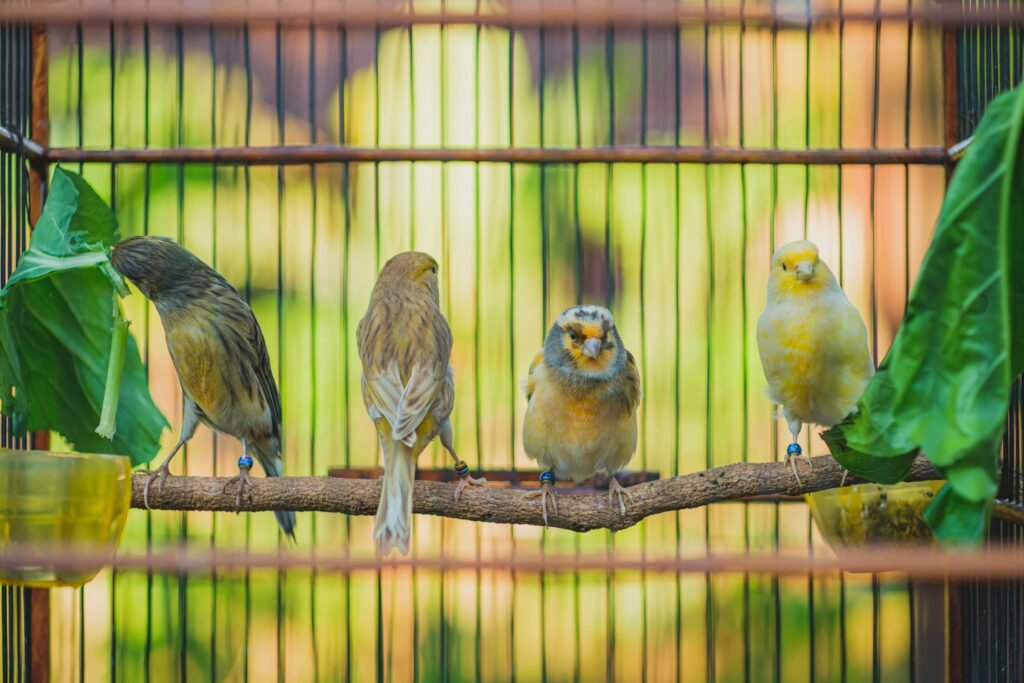
Birds are social creatures that require interaction. Here are some tips to strengthen your bond:
- Handle your bird: Each day, gently handle your bird. Start by talking softly and offering hand-fed treats, gradually increasing interaction as it becomes comfortable.
- Regular training: A 10-minute training session spread throughout the day can provide excellent mental stimulation and help manage behavioral issues.
Out-of-Cage Time
Out-of-cage time fosters happiness and reduces destructive behaviors.
- Plan for regular periods where your bird can fly and explore in a safe environment. Make sure to supervise to avoid accidents.
- Encourage physical activity through safe climbing opportunities and foraging games. These activities enhance mental and physical health.
Care for the Aves Family
Caring for a pet bird can be immensely rewarding when you provide the right environment and care. Remember, focusing on proper housing, balanced nutrition, daily maintenance, and social interaction are crucial components of bird care. Your bird depends on you for a happy, healthy life, so embrace this responsibility with love and patience. Always stay informed through credible sources and veterinary guidance. In doing so, you will not only enhance your bird’s well-being but also deepen your bond together.