

As a cat owner, ensuring your beloved furry friend’s safety can sometimes feel overwhelming, especially with the changing seasons and their unique challenges.
From toxic plants in spring to the dangers posed by holiday decorations, understanding seasonal cat safety is key to providing your pet with a safe and happy environment. Let’s explore practical tips to help you keep your cat healthy and secure all year long, no matter the season.
How to Protect Your Cat Year-Round
Winter Safety Tips
Winter poses unique risks for cats, especially cold, chemicals, and indoor hazards. Keep cats indoors or limit outdoor time, providing warm bedding away from drafts. Wipe paws and fur after walks to remove salt or ice melt chemicals. Store antifreeze securely and clean spills immediately. Use space heaters cautiously and keep cords hidden. Avoid holiday plants like lilies and poinsettias. Monitor weight and hydration, as cats move less in winter.
Regular play, grooming, and vet visits help keep your cat healthy, active, and safe throughout the cold season. Consistent routines reduce stress and support overall wellbeing during shorter, darker days.
Spring Safety Tips
As the weather warms up, your cat might feel an urge to explore the great outdoors. Here’s how to keep them safe:
- Parasite prevention: Start or maintain a year-round parasite prevention regimen. Fleas, ticks, heartworms, and intestinal worms become more active in warmer weather, so consult your vet for the best prevention strategies.
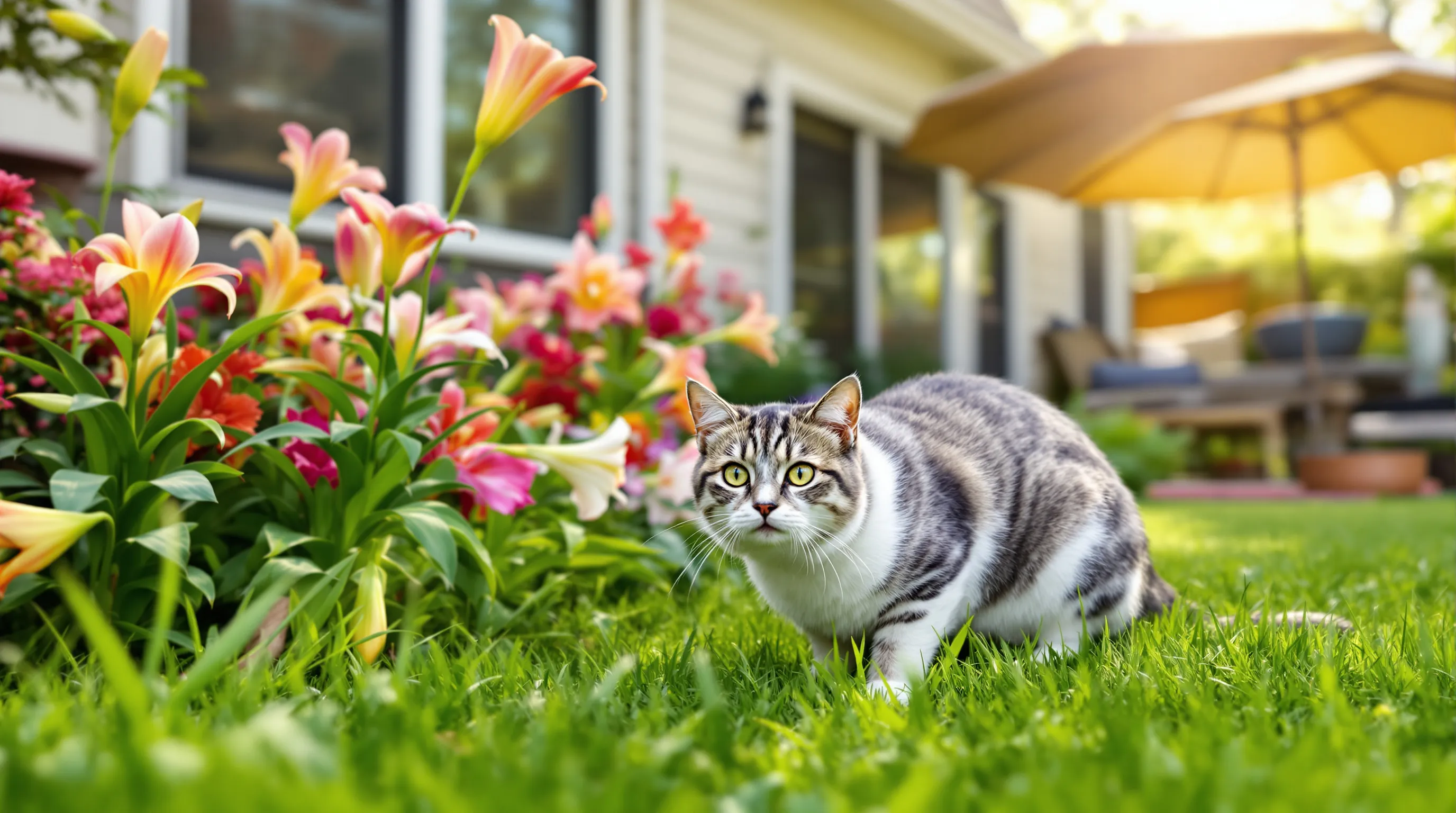
- Toxic plants: Keep your cat away from spring blooms, particularly lilies. Even tiny amounts can be fatal to felines. Other common toxic plants include azaleas and tulips, so ensure these are out of reach.
Summer Safety Tips
Summer can be a wonderful time for outdoor activities, but it also poses dangers:
- Prevent overheating: Always provide a cool, comfortable indoor area along with plenty of fresh water. Cats are susceptible to heatstroke, especially breeds with thick coats.
- Window safety: Install secure screens on windows and doors. Cats may try to leap after birds and could suffer serious injuries if they fall.
- Sun protection: Keep an eye on white or hairless cats, as they are prone to sunburn. Limit sun exposure, especially during peak hours.
- Noise awareness: Keep your cat indoors during fireworks and loud events. Create a safe space with hiding spots and some background noise to help reduce stress.
- Chemical safety: Securely store fertilizers, pesticides, and pool chemicals out of reach.
Fall Safety Tips
Fall brings cooler weather, falling leaves, and new hazards for cats. Keep windows screened to prevent falls during fresh air days. Watch for toxic plants like chrysanthemums and mushrooms growing outdoors. Check warm car engines before starting, as cats may hide inside. Store antifreeze, fertilizers, and pesticides securely, since small amounts are deadly. Maintain flea and tick prevention because parasites remain active in autumn. Keep candles and decorations out of reach.
Finally, adjust feeding as activity changes, and schedule a vet check to prepare your cat for colder months ahead. This vigilance ensures comfort, health, and safety all season long.

Wrap-Up: Year-Round Safety
Each season brings its unique challenges, but consistent care can go a long way in ensuring your cat’s well-being.
- Regular check-ups: Keep your cat’s vaccinations and parasite prevention up to date throughout the year. Schedule regular vet visits to ensure your feline friend stays in optimal health.
- Home safety: Regularly ‘cat-proof‘ your home by checking for potential hazards. Look for seasonal risks, like heat, toxic plants, and decorations, that could harm your pet.
- Stress reduction: If your cat tends to get anxious with seasonal changes or company, provide a quiet room with a litter box, water, and hiding spots.
By maintaining awareness of the seasonal dangers your feline friend faces and taking proactive steps, you can ensure that your cat remains not only safe but also happy and healthy all year round.