
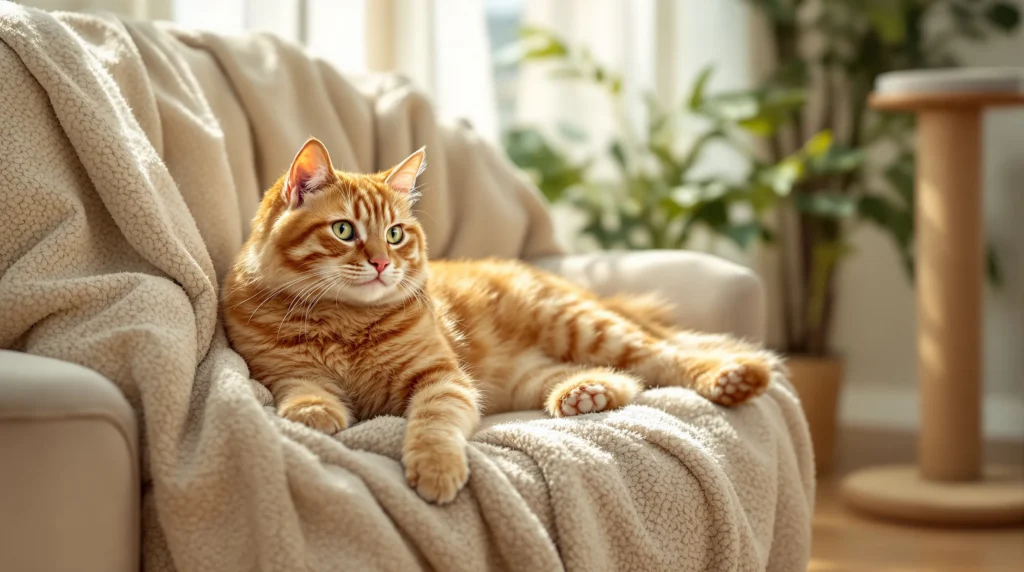
While your feline friends age, they undergo various changes that require your attention and care.
Understanding how to support their health and happiness is crucial for ensuring they enjoy their golden years. In this guide, you will get to know more about senior cat wellness, focusing on common health challenges, nutrition needs, and tips for maintaining an active lifestyle, all of which contribute to your cat’s quality of life.
Understanding Senior Cats
What Age Is Considered Senior?
In general, many veterinarians recognize that cats enter their senior years around 10 to 11 years old. By the time they reach 15 years, they are often referred to as geriatric or even super senior. Understanding when your cat is considered senior helps you prepare for the care they will need during this stage of life.
Physical and Behavioral Changes in Senior Cats
As cats age, they may experience:
- Weight changes: It’s common for senior cats to either lose or gain weight due to metabolic changes.
- Decreased mobility: You might notice your cat is not jumping as high or is hesitant to move around.
- Grooming changes: An older cat may groom themselves less frequently, leading to a matted or oily coat.
- Altered sleep patterns: You might see your cat sleeping more, with an increase in restless behavior at night.
- Cognitive changes: Some cats may show signs of confusion or increased hiding, indicating a need for patient and gentle care.
Common Health Issues in Senior Cats
Dental Disease
Dental disease is a prevalent issue among cats, affecting over 80% of cats older than five. It’s essential to monitor your cat’s dental health, as dental issues can lead to pain, tooth loss, and systemic illness if not addressed in time.
Kidney Disease
Kidney disease becomes more common as cats age. Regular vet check-ups, including blood work, are vital for monitoring kidney function, as early detection can significantly improve management.
Hyperthyroidism
Another common issue in older cats is hyperthyroidism, which stems from an overactive thyroid. Symptoms can include weight loss, increased appetite, and hyperactivity. A simple blood test can help diagnose this condition early.
Arthritis and Mobility Issues
More than 90% of cats over ten years old may suffer from arthritis or other mobility issues. Signs to watch for include reluctance to jump, changes in grooming habits, and stiffness.
Nutrition and Dietary Needs
Choosing the Right Senior Cat Food
As your cat ages, its nutritional needs may shift. Vets often recommend senior-specific diets starting around the ages of 7 to 10 years. These diets are typically formulated to have lower phosphorus and higher protein levels to support your cat’s health. It’s always best to consult your vet for personalized recommendations based on your cat’s health status.
Hydration and Its Importance
Staying hydrated is crucial for senior cats, especially to support kidney and urinary health. Make sure your cat has access to fresh water at all times. Consider incorporating wet food into their diet for additional moisture.
Supplements for Senior Cats
Supplements can play a significant role in maintaining your senior cat’s health. Common veterinarian-recommended options include joint supplements such as omega-3 fatty acids, which can aid in reducing inflammation and improving mobility. Always discuss any new supplements with your vet to ensure they are safe and beneficial for your cat.
Maintaining Physical Activity
Creating a Stimulating Environment
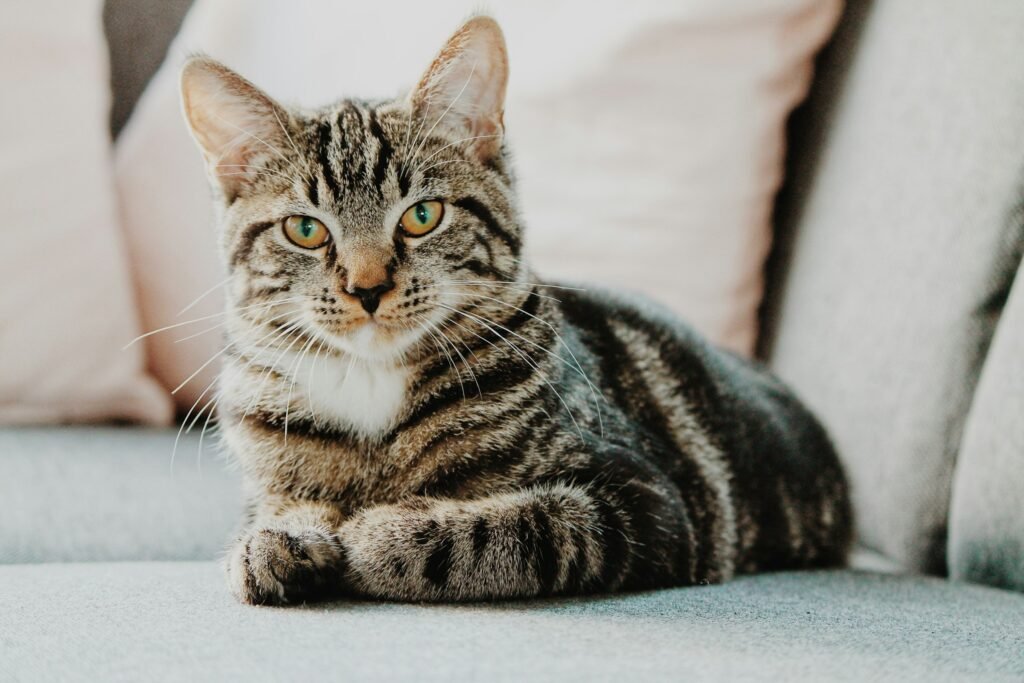
Creating a comfortable, stimulating environment is essential for senior cats. Make sure your home is easy to navigate, with low-impact play areas and easy-access litter boxes. Scratching posts made from varied materials can also help keep their claws healthy.
Engagement and Bonding Activities
Engaging in gentle play and mental stimulation is key for a senior cat’s well-being. Consider providing puzzle feeders, window perches for bird watching, and gentle interactive play to foster bonding and keep their minds active.
Regular Veterinary Care and Wellness Exams
Monitoring Your Cat’s Health Regularly
Regular veterinary care is critical for managing your senior cat’s health. Schedule check-ups at least every six months after your cat reaches 7 to 10 years of age. Your vet can perform important assessments, including blood and urine tests, that help to identify issues before they become serious.
The Importance of Preventative Care
Preventative care should include dental cleanings, vaccinations as needed, and parasite control. Keeping track of your cat’s appetite, water intake, litter box usage, mobility, and overall behavior will help ensure you catch any changes promptly, allowing for timely veterinary intervention.
Love Your Cat Unconditionally
Caring for a senior cat involves adapting their diet, providing enriching environments, encouraging exercise, and maintaining regular veterinary visits. By focusing on age-appropriate nutrition, gentle activity, and preventative care, you can significantly improve their comfort and quality of life, making their later years as happy and healthy as possible.