
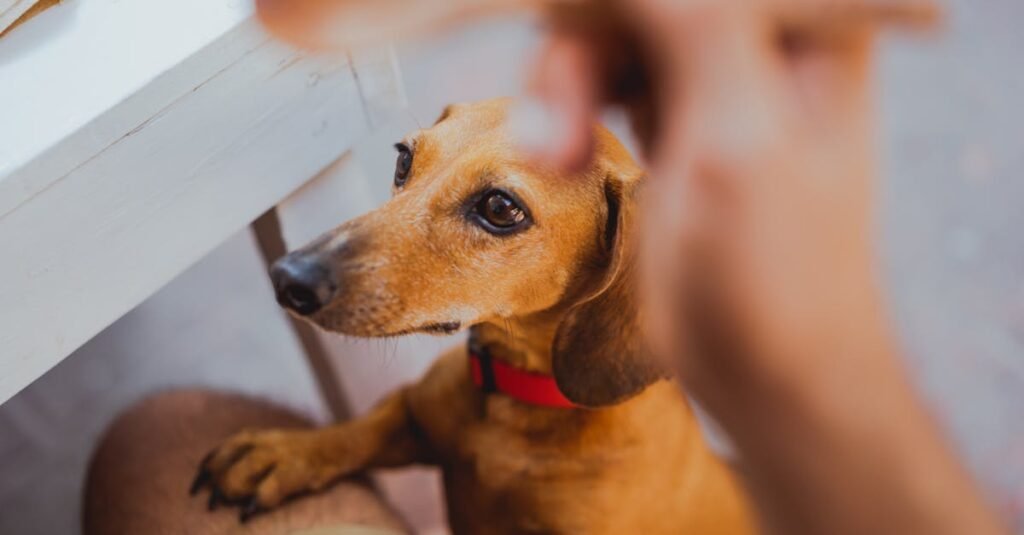
If you’ve ever watched your Dachshund lock onto a smell and suddenly act like you don’t exist… welcome to the club. One minute you’ve got a sweet little sausage dog, the next you’re negotiating with a determined, low-to-the-ground detective who’s convinced the sidewalk is hiding state secrets.
The good news: Dachshunds are absolutely trainable. The “trick” is training in a way that fits how they’re wired, smart, independent, and built to hunt. This guide walks you through a practical, low-stress plan for how to train a Dachshund using clear cues, short sessions, and rewards that actually matter to them (hint: it’s rarely your praise alone).
Understand Dachshund Behavior Before You Start
Training goes so much smoother when you stop expecting your Dachshund to act like a Golden Retriever.
Dachshunds were bred to hunt, specifically to go after burrowing animals like badgers. That history shows up in modern pet life as boldness, persistence, and a willingness to make their own decisions. The American Kennel Club (AKC) still describes them as clever and courageous, and that’s a polite way of saying: they’re not easily bossed around.
Why Dachshunds Are Stubborn (And Why It’s Not Personal)
Here’s the mindset shift that saves your sanity: “stubborn” often means independent problem-solver.
Your Dachshund isn’t ignoring you to be rude. They’re doing a quick cost-benefit analysis:
- Is what you’re asking clear?
- Is it worth it?
- Is something else more interesting right now?
Because they were developed to work out of sight of the hunter and make choices underground, they don’t have a built-in urge to constantly check in with you. That’s not a training fail, it’s genetics.
What works best is the same thing veterinary behaviorists and modern trainers recommend across breeds: positive reinforcement, consistency, and careful management (setting things up so your dog can’t rehearse bad habits). Organizations like the American Veterinary Society of Animal Behavior (AVSAB) strongly support reward-based methods over punishment-based training.
What Motivates Them: Food, Scent, And Chase Drive
If you’re figuring out how to train a Dachshund, motivation is the whole game.
Most Dachshunds will work for:
- Food (tiny, high-value treats: chicken, cheese bits, freeze-dried meat)
- Scent (sniffing is self-rewarding, use it strategically)
- Chase/play (a short tug or a quick toss can be a powerful reward)
A very practical tip: train before meals when you can, because a slightly hungry Dachshund is often a more cooperative Dachshund. Just don’t let treats get out of control, keep them small and subtract from meals if needed.
And remember: your praise still matters. It’s just usually the “nice background music,” not the paycheck.
Set Up For Success At Home
Your training plan can be perfect… and still flop if the environment is chaotic. Dachshunds are easily distracted by movement, sound, smells, and whatever mystery item they’ve decided to investigate.
Start training where your dog can win.
Pick Rewards That Work And Use Them Consistently
Not all treats are created equal. If your Dachshund is blowing you off, it’s usually one of two things:
- the reward isn’t valuable enough, or
- the distraction level is too high.
Try a simple “treat test”:
- Low value: dry kibble, plain training biscuits
- Medium value: soft commercial training treats
- High value: boiled chicken, turkey, hot dog slivers (tiny.), freeze-dried liver
Use high-value rewards for:
- recall (coming when called)
- leash walking practice outdoors
- “leave it” and “drop it”
- reactivity work (dogs/people/noises)
Consistency matters more than being fancy. Pick 2–3 go-to rewards and stick with them so your dog doesn’t get confused by constantly changing the “payment system.”
Keep Sessions Short, Calm, And Repeatable
Dachshunds learn fast, but they also get bored fast.
Aim for 5 minutes or less per session, 1–3 times a day. That’s it. You’ll get more progress from three calm 4-minute sessions than one long, frustrating 25-minute battle.
A simple structure that works:
- 30 seconds easy wins (cues they already know)
- 2–3 minutes new skill or harder version of a skill
- 1 minute fun finish (a short play, scatter treats, or “find it” sniff game)
Also: train in sets. Do 5 repetitions of a cue. If you’re getting 4–5 successes, make it slightly harder. If you’re getting 3 or fewer, you went too fast, make it easier again.
One more thing that’s underrated: end on a win. Even if the session was messy, ask for something simple your dog can do, reward it, and stop. Your future self will thank you.
Start With The Core Cues Every Dachshund Should Know
You don’t need a hundred tricks. You need a handful of cues that make daily life safer and calmer.
If you’re prioritizing: put recall, attention, and “leave it” near the top. These are the cues that prevent the “oh no” moments.
Name Response, Attention Cue, And Check-Ins
Before “sit” is useful, your Dachshund needs to notice you.
Step 1: Name response
- Say your dog’s name once.
- The moment they look at you: mark it (“yes.”) and give a treat.
- If they don’t look: make a kissy noise or shuffle away a step, then reward the look.
Do this randomly throughout the day. You’re building a reflex: name = good stuff = look at my person.
Step 2: Attention cue (“look”)
- Hold a treat near your face.
- When your dog makes eye contact, mark/reward.
- Gradually remove the lure so they look without seeing the treat first.
Step 3: Check-ins on walks
Any time your dog glances up at you outside, reward it. This is how you get a Dachshund who chooses to reconnect instead of going full scent-train.
Sit, Down, Stay, And Reliable Recall
Sit and down are great for impulse control, especially before meals, at doors, and when guests arrive.
- Teach sit with a treat moving from nose up/back.
- Teach down from sit (treat goes from nose straight down, then slightly forward).
For stay, keep it simple and systematic:
- Duration first (1 second → treat → release)
- Then distance (one step back → return → treat)
- Then distractions (tiny, controlled distractions)
Now the big one: reliable recall.
A Dachshund recall isn’t built on hope. It’s built on reps and rewards.
- Pick a cue you’ll protect: “come.” or “here.”
- Start indoors, then yard, then quiet outdoor spaces.
- Reward like it’s a jackpot: 3–5 treats in a row, plus praise.
Important: never call your dog to punish them. If “come” sometimes ends fun (leash on, crate, bath), your Dachshund will start doing the math.
Try this instead: call them, reward, then release them back to what they were doing sometimes. That one habit makes recall dramatically stronger.
Leave It, Drop It, And Polite Greetings
These three cues save you from chasing a dog with a sock in their mouth.
Leave it (don’t touch the thing)
- Put a treat in your closed fist.
- Your dog sniffs/licks. Wait.
- The second they back off: mark and reward with a different treat from your other hand.
- Progress to open palm, then treat on the floor with your foot ready to cover.
Drop it (spit it out)
- Offer a toy.
- Present a high-value treat at their nose.
- When they release the toy: mark/reward and give the toy back.
The “give it back” part is huge, it teaches your Dachshund that dropping isn’t the end of the world.
Polite greetings
Many Dachshunds get overexcited or barky at the door.
- Ask for a sit before petting.
- If they jump, attention goes away.
- Reward “four paws on the floor.”
You’re not being strict, you’re giving them a clear way to succeed.
House Training And Crate Training Without The Stress
Let’s be honest: house training is where a lot of people feel defeated with Dachshunds.
They can be harder to potty train than some breeds, not because they can’t learn, but because they’re sensitive to weather, easily distracted outside, and quick to form habits. The fix is boring (sorry): routine + management + rewards.
A Simple Potty Schedule That Prevents Accidents
Your goal is to prevent accidents long enough for good habits to stick.
A baseline schedule (adjust for your dog’s age and health):
- First thing in the morning
- After meals (within 5–15 minutes)
- After naps
- After play sessions
- Before bedtime
- Every 2–3 hours for young puppies (some need more)
Practical tips that really help:
- Go to the same spot outside, smell triggers the behavior.
- Keep them on a leash for potty breaks at first. Potty isn’t a sightseeing tour.
- The moment they finish: praise + high-value treat.
- If it’s raining and your Dachshund acts offended: use a doggy raincoat, an umbrella, or a covered potty area if you can. (Yes, you will feel ridiculous. It’s fine.)
If you catch an accident mid-stream: calmly scoop them up and take them outside. No yelling. Punishment just teaches them to hide it.
If accidents are frequent, talk with your vet, urinary tract issues, GI upset, or anxiety can contribute.
Crate Training Steps And Common Mistakes To Avoid
A crate should feel like a bedroom, not a penalty box. When done right, it helps with potty training, travel, and separation comfort.
Step-by-step crate basics:
- Make it cozy: soft bedding (if they don’t shred it), a safe chew, and good airflow.
- Feed meals near/in the crate: door open at first.
- Short closures: close the door for 10–30 seconds while they chew, then open.
- Build duration slowly: minutes, not hours.
- Add a cue: “kennel” or “crate,” reward when they go in.
Common mistakes:
- Using the crate only when you’re leaving (crate = you vanish)
- Letting a puppy out while they’re screaming (teaches screaming works)
- Too much freedom too soon (accidents happen, habits form)
If your Dachshund is whining, wait for a tiny pause, then reward that calm moment. You’re teaching: quiet opens doors.
One safety note: Dachshunds are prone to back issues, so make sure the crate setup doesn’t require awkward jumping in/out. A low entry or a small step can help.
Leash Skills For A Dog Built To Track
Dachshunds were basically designed to follow a scent trail with total commitment. So if your walks feel like you’re being towed by a confident hot dog… yeah, that’s normal.
You’re not trying to erase sniffing. You’re teaching when pulling works (never) and when sniffing happens (as a reward).
Loose-Leash Walking With Fewer Pulling Battles
Try this simple plan:
- Use a front-clip harness (often helps reduce pulling without pressure on the neck).
- Keep treats in your hand at “walking position.”
- The moment the leash goes tight: stop.
- When your dog turns back or slack appears: mark/reward and walk again.
It’s repetitive, and it works.
Add a “go sniff” permission cue:
- Walk nicely for 10–20 seconds.
- Say “go sniff.” and let them explore a patch of grass.
This turns sniffing into a paycheck for good leash manners instead of something they drag you into.
Reducing Reactivity To Dogs, People, And Noises
Some Dachshunds are social butterflies. Others are… tiny security guards.
If your dog barks/lunges at triggers, don’t jump straight to “make them stop.” Start with distance.
A calm reactivity plan:
- Find the distance where your dog notices the trigger but can still take treats.
- The moment they see the trigger: feed treats steadily.
- When the trigger disappears: treats stop.
This is classic counterconditioning, your dog learns that scary/annoying stuff predicts snacks.
If your dog won’t take treats, you’re too close. Create more space.
For noise sensitivity, the ASPCA has practical guidance on fear and behavior issues that lines up well with force-free training: lower the intensity, pair with good things, and progress slowly.
And please don’t feel like you failed if your Dachshund is reactive. Small dogs often get less choice and more unexpected interactions (people leaning over them, dogs rushing up). Your job is to protect their space while you retrain the emotional response.
Solve Common Dachshund Challenges
Dachshunds come with a few “classic” behaviors. They’re not flaws, they’re features that need direction.
Barking And Alert Behavior: Teach A Quiet Cue
Dachshunds are alert and vocal. You likely won’t train them to never bark, but you can teach an off-switch.
Try this two-part approach:
- Teach “speak” (yes, really)
- Trigger one bark (knock lightly, say “who’s there?”)
- Mark/reward when they bark
- Add the cue word “speak”
- Teach “quiet”
- After “speak,” hold a treat to their nose
- Most dogs pause barking to sniff
- The second they’re silent: say “quiet,” mark, reward
Then practice when things are calm, not only during door chaos.
Also help them succeed with environment tweaks:
- close blinds if window-watching is a barking party
- use a white noise machine near the front door
- give a food puzzle when delivery times usually happen
Digging, Chewing, And “Selective Hearing”
Digging is deeply Dachshund. Give it a legal outlet:
- a sandbox or designated digging area
- bury toys/treats shallowly for “treasure hunts”
Chewing is normal, especially in puppies.
- Rotate 5–7 safe chew options (rubber toys, dental chews approved by your vet)
- Keep tempting items out of reach (management beats scolding)
Selective hearing usually means your cue isn’t trained at that difficulty level yet.
If your dog “knows sit” in the kitchen but ignores it outside, they don’t actually know it outside. Proofing matters:
- practice the same cue in 5–10 different places
- increase distractions slowly
- pay more for harder situations
Separation Anxiety And Velcro-Dog Tendencies
Dachshunds often bond hard with their person. It’s sweet… until you can’t shower in peace.
A few practical steps:
- Practice micro-departures: step out for 10 seconds, return calmly, repeat.
- Avoid big emotional goodbyes/hellos (keep it boring).
- Use enrichment when you leave: stuffed KONG-style toys, lick mats, scatter feeding.
- Build independence at home: baby gate time, mat training (“go to bed”), short crate rests.
If your dog panics (drooling, destructive escape attempts, nonstop screaming), don’t push through it alone. True separation anxiety is a clinical behavior issue and often needs a structured plan with a credentialed trainer and sometimes veterinary support.
Training For Safety And Long-Term Health
Training isn’t just about manners for Dachshunds, it’s about protecting their bodies.
Because of their long backs and short legs, Dachshunds are overrepresented in intervertebral disc disease (IVDD). That doesn’t mean you should live in fear. It means you build smart habits early.
Preventing Back Injuries With Ramps, Handling, And No-Jump Habits
A few “boring” routines can make a real difference over your dog’s lifetime:
- Use ramps or steps for couches and beds (and train your dog to use them)
- No stairs if you can help it, especially repeated stair running
- Support when lifting: one hand under the chest, one supporting the rear
- Keep nails trimmed for better traction and fewer slips
- Maintain a lean body condition (extra weight strains the spine and joints)
How to train ramp use:
- Toss a treat near the ramp, reward any approach
- Reward one paw on, then two paws, then walking up
- Keep it slow and positive, no dragging
Your goal is a habit so automatic that your Dachshund chooses the ramp without thinking.
Socialization And Confidence Building At Any Age
Socialization isn’t just “meet every dog.” It’s positive exposure to the world in a way that builds confidence.
For puppies, aim for gentle, controlled experiences: different surfaces, friendly people, calm dogs, car rides, grooming touch. Pair new things with treats.
For adult rescues or sensitive dogs, go slower:
- let them observe from distance
- reward calm curiosity
- keep experiences short
A confident Dachshund is often a quieter, less reactive Dachshund.
If you’re unsure what’s normal vs. concerning, your vet can help you rule out pain or medical issues that can affect behavior. The American Animal Hospital Association (AAHA) also emphasizes preventive care and early intervention, training is part of that bigger wellness picture.
When To Get Professional Help
Sometimes the fastest, kindest path is getting eyes on the situation, especially with stubborn patterns or anxiety.
Red Flags That Need A Trainer Or Veterinary Support
Reach out for help if you notice:
- growling/snapping when handled (especially around the back or when picked up)
- escalating reactivity (barking/lunging getting worse)
- resource guarding (stiffness, freezing, growling over food/toys)
- signs of true separation anxiety (panic, self-injury, destructive escape)
- sudden behavior changes (could be pain, talk to your vet)
Pain is a big one. A dog with back discomfort may resist training, avoid positions like “down,” or become irritable. Rule out medical issues early.
What To Look For In A Force-Free Training Plan
Look for a trainer who:
- uses positive reinforcement as the foundation
- avoids intimidation tools and “dominance” language
- can explain why they’re doing each step
- gives you a written plan and realistic assignments
Credentials to look for include organizations like CCPDT (CPDT-KA) or IAABC behavior consultants.
A good trainer won’t just coach your dog, they’ll coach you, adjust the environment, and help you measure progress in a way that feels doable in real life.
Conclusion
When you’re learning how to train a Dachshund, the biggest win is understanding this: you’re not trying to “out-stubborn” your dog. You’re building habits with smart rewards, short sessions, and routines that make good choices easy.
If you want a simple starting checklist for this week:
- Train 5 minutes a day, split into tiny sessions
- Start with name response + recall + leave it
- Use high-value treats for hard situations (walks, distractions)
- Tighten up potty schedule + crate routine to prevent rehearsing accidents
- Add ramps and no-jump habits early to protect that long back
You don’t need perfection. You need consistency, and a Dachshund who’s learning that listening to you pays well.
.Dachshund walking on a leash with handler in a quiet neighborhood
If you tell me your Dachshund’s age (puppy, adult, senior) and the one behavior driving you craziest right now, pulling, barking, potty accidents, or recall, I can help you pick the best “first two weeks” plan.