
You’ve finally got the apartment you like… now you just need the dog to match.
But here’s the catch: not every “cute small dog“ is easy in a small space. Some toy breeds bark at every noise, some large dogs are total couch potatoes, and “low-shedding“ doesn’t always mean “low-maintenance.“
This guide walks you through what actually makes good dogs for apartments, which breeds and mixes tend to do well, and how to set any dog up for calm, happy city living, without driving your neighbors (or yourself) crazy.
What Actually Makes A Dog Good For Apartments?
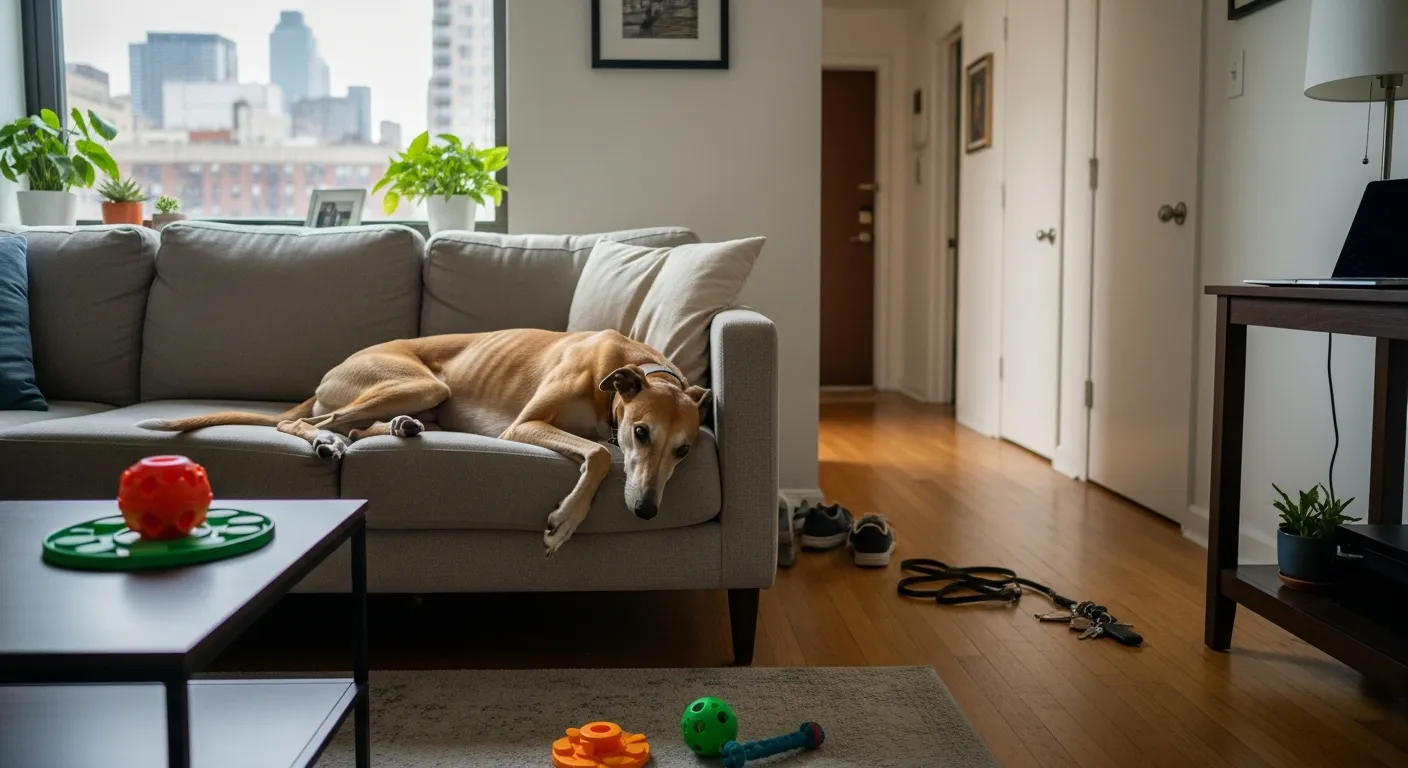
When you picture an “apartment dog,“ you probably think tiny. But in reality, energy level, noise, and temperament matter way more than size.
Size Versus Energy Level
A 60–70 lb Greyhound that sleeps 18 hours a day can be easier in a studio than a 10 lb tornado of a terrier.
Things to look at besides size:
- Energy level: How much daily exercise and play does this dog really need?
- Off-switch: Can they relax after a walk, or do they stay wired?
- Age: Puppies and adolescents are usually higher energy than adults and seniors.
Many veterinary behaviorists and organizations like the American College of Veterinary Behaviorists point out that mental needs matter as much as physical exercise. A calm dog with a good “off switch” is usually a better fit for apartment life than a small but intense one.
Barking, Noise, And Neighbor Friendliness
In an apartment, walls are thin and sound carries. So barking habits matter a lot:
- Quiet or low-barking breeds: French Bulldogs, Pugs, Bolognese, Shih Tzus
- Alert but trainable: Boston Terriers, Cavaliers, some mixed breeds
You want a dog that:
- Doesn’t bark at every hallway sound
- Recovers quickly when they do bark
- Can learn a “quiet” cue and settle with training
A lot of barking issues are learned, not genetic. But if you’re in a strict building, starting with a typically quieter type of dog can make life easier.
Exercise Needs And Indoor Enrichment
Good dogs for apartments tend to do well with:
- 1–2 daily walks (10–30 minutes each, depending on the dog)
- Short play sessions (tug, fetch in the hallway, training games)
- Mental enrichment (puzzle toys, snuffle mats, simple scent games)
Breeds that often fit this “moderate but manageable“ category include:
- Shih Tzu – happy with gentle walks and couch time
- Cavalier King Charles Spaniel – moderate energy, loves snuggles
- Pug – playful but usually doesn’t need long hikes
According to the American Veterinary Medical Association (AVMA), daily physical exercise plus mental engagement helps reduce behavior problems like barking, chewing, and anxiety, huge wins in a small space.
Shedding, Allergies, And Cleaning
You don’t need a “hypoallergenic” dog, but less shedding can mean:
- Less vacuuming in a tight space
- Less hair on furniture and clothes
- Fewer allergy flare-ups for sensitive humans
Popular low-shedding, apartment-friendly options include:
- Bichon Frisé – very low shedding, cheerful and social
- Maltese – tiny, low-shedding, happiest close to you
- Toy Poodle – very low shedding, smart and trainable
Just remember: low shedding usually means more grooming (brushing, trims) rather than less care overall.
Lifestyle Check: Matching A Dog To Your Home And Routine
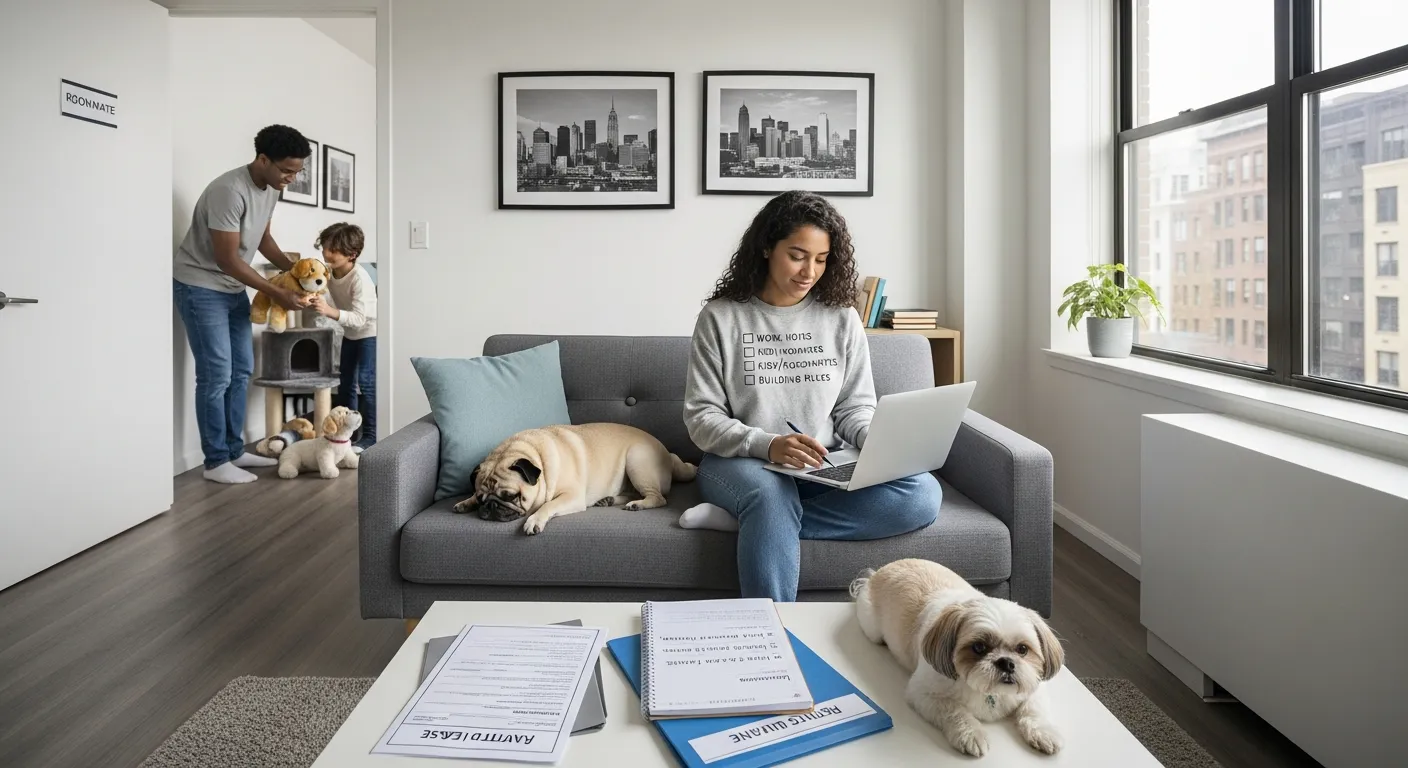
Before you jump into specific breeds, it’s worth asking: What is daily life actually like in your home? The right apartment dog is the one that fits you, not just a checklist.
Your Work Schedule And Alone Time
Think honestly about how long a dog will be alone most days.
If you:
- Work long hours away from home
- Have an unpredictable schedule
- Travel often
…you’ll likely do best with a low-energy, more independent dog or a senior dog who’s already used to napping most of the day.
Breeds that often fit busy-owner life:
- Pugs – generally low energy, nap champions
- Shih Tzus – enjoy company but can relax nicely after walks
If you work from home or are around a lot, you might do well with a more social, “velcro“ type dog (we’ll talk about those later).
Kids, Roommates, And Other Pets
Good apartment dogs also need to be a match for your household:
- With kids: Look for gentle, tolerant breeds like Cavaliers, Pugs, Bichons, or well-mannered mixed breeds.
- With other pets: Avoid dogs with strong prey drive if you have cats, rabbits, or small animals.
- With roommates: Be honest about barking, shedding, and space needs before you bring a dog home.
No matter the breed, early socialization and simple training basics (sit, stay, leave it, polite greetings) will make everyone’s life easier in close quarters.
Building Rules, Breed Restrictions, And Insurance
Before you fall in love with a specific dog:
- Check your lease and building rules – Some places restrict size, breed, or number of pets.
- Ask about pet deposits or monthly pet rent.
- Look into insurance requirements – Certain breeds or mixes can affect renter’s insurance.
It’s frustrating, but these rules are real in many US and European cities. Knowing them up front helps you focus on dogs you can actually bring home without drama.
Best Small Dog Breeds For Apartments
Small dogs can be fantastic in apartments, as long as you pick for temperament and energy, not just size.
Calm Companions For Quiet Households
If you like a calm, cozy vibe, these breeds often fit well:
- Shih Tzu
Typically friendly, adaptable, and content with short walks and plenty of sofa time. They were literally bred as companion dogs.
- Cavalier King Charles Spaniel
Sweet, gentle, and very people-focused. They love cuddling, enjoy moderate activity, and usually work well with respectful kids and other pets.
These calm companions are great if you:
- Don’t want intense daily exercise
- Love cuddles and movie nights
- Prefer a softer, quieter temperament
Playful But Adaptable Family-Friendly Pups
Want a little more play without chaos? Look at small breeds that are fun but not hyper:
- Pug
Goofy, affectionate, and people-oriented. Most Pugs are cool with moderate activity. Because of their short noses, they’re not built for long, intense exercise anyway.
- Boston Terrier
Lively and fun, but many can adapt well to apartment life with daily walks and play. They’re often good for families that want a dog who’s up for games but can chill afterward.
These breeds can be a great fit if you:
- Have kids or active roommates
- Want a dog that enjoys play but doesn’t need a yard
- Are willing to commit to daily walks and some training
Low-Shedding And Allergy-Conscious Choices
If someone in your home has allergies or you just hate vacuuming, consider low-shedding small dogs:
- Bichon Frisé – Happy, social, very low-shedding. Needs grooming every 4–6 weeks.
- Maltese – Gentle, people-focused, minimal shedding but regular brushing.
- Toy Poodle – Bright, trainable, very low-shedding, often great in obedience and enrichment games.
These dogs don’t magically eliminate allergies, but many allergy sufferers do better with them. The American College of Allergy, Asthma & Immunology notes that no breed is 100% hypoallergenic, but less dander and hair can definitely help.
Medium And Large Dogs That Can Thrive In Apartments
It surprises a lot of people, but some of the best dogs for apartment living are actually medium or large.
Surprisingly Low-Energy Big Dogs
Some big breeds are built for sprints and then naps, not all-day action:
- Greyhound
Even though being racing dogs, most retired Greyhounds are total couch potatoes. They love a good daily walk or quick zoomies and then crash on the softest surface available.
- Great Dane
Often called “gentle giants,“ they tend to be calm indoors, especially as adults. They do take up physical space, but many are much lower energy than you’d expect.
- Bullmastiff
Large, protective, but usually low-energy. With proper training and socialization, they can do well in apartments where you’re home a lot.
These dogs need:
- Solid leash manners (you don’t want to be dragged through the lobby)
- Space for a big bed
- Basic training early on
Sensitive Or Velcro Dogs That Need Close Bonds
Some breeds bond very deeply and like to be near their person most of the time:
- Cavalier King Charles Spaniel (yes, again) – A classic “velcro“ small dog.
- Certain rescued Greyhounds or mixed breeds – They can be sensitive and love quiet, steady routines.
These dogs can be perfect if you:
- Work from home or have a flexible schedule
- Enjoy a constant shadow following you from room to room
- Are willing to work on gentle confidence-building for alone time
Dogs To Avoid In Apartments (And Important Exceptions)
No dog is automatically “bad” for apartments, but some types are a tougher fit without serious time and training.
High-Intensity Working And Herding Breeds
Dogs bred for herding, guarding flocks, or nonstop work often struggle in small spaces if their needs aren’t met. This can include:
- Border Collies
- Australian Shepherds
- Belgian Malinois
- High-drive German Shepherds
Even breeds that are smaller, like some Cocker Spaniels, can be very energetic and need long walks, training, and jobs to do.
If you absolutely love these breeds and live in an apartment, plan on:
- Daily vigorous exercise (runs, long hikes, or dog sports)
- Serious mental work (training classes, scent work, agility)
- A lot of your free time going into the dog
Guard Breeds, Barking Issues, And Building Stress
Guard breeds (like Bullmastiffs, Rottweilers, some mastiff mixes) may:
- Bark at hallway noises and door slams
- Be wary of strangers in elevators and shared spaces
- Need extra socialization and training to relax in busy buildings
They’re not automatically bad apartment dogs, but you need to be very committed to:
- Early socialization with people and dogs
- Clear training around doorways, elevators, and visitors
- Management tools (white noise, window film, etc.) to reduce triggers
Why Temperament And Training Matter More Than Labels
Here’s the big thing: breed is just a starting point.
Within any breed, you’ll find:
- Couch potatoes and energizer bunnies
- Confident social butterflies and shy homebodies
A calm, middle-aged mixed breed from a shelter may be far easier in an apartment than a high-strung purebred puppy from “an apartment-friendly list.“
Focus on:
- Individual temperament – Is the dog chill or intense?
- History – Has the dog lived in a home or apartment before?
- Trainability – Are they food-motivated and responsive to you?
That’s what really makes good dogs for apartments, not just their label.
Rescue Dogs, Mixed Breeds, And Senior Pups For Small Spaces
If you’re open to more than one specific breed, shelters and rescues can be an amazing place to find your perfect apartment match.
Why A Shelter Dog May Be Your Best Apartment Match
Rescue groups and shelters often get to know the dogs in real-life situations. They can tell you:
- Who’s quiet in their kennel
- Who gets stressed by noise
- Who loves naps more than fetch
Mixed-breed and rescue dogs are often:
- Past the wild puppy stage
- More predictable in size and energy
- Already house-trained or crate-trained
Choosing The Right Age And Energy Level
Age makes a huge difference in apartments:
- Puppies (under 1 year): Very high energy, need constant supervision, many potty breaks
- Young adults (1–3 years): Still active, but often more trainable and focused
- Adults (3–7 years): Great balance of energy and chill
- Seniors (7+ years, depending on size): Often perfect apartment dogs, lots of naps, shorter walks
Senior dogs especially can be wonderful for apartment life. With regular vet care and joint support, many are happy with short strolls and a soft bed.
Questions To Ask Rescues And Shelters
When you’re visiting or emailing a rescue, try questions like:
- “How does this dog handle being alone? Do they bark or cry?”
- “What’s their energy level like day to day?”
- “Have they lived in a home or apartment before?”
- “How do they react to other dogs, kids, or cats?”
- “What kind of exercise routine do you think they need?”
These answers tell you much more than just “small/medium/large“ ever will.
Setting Your Apartment Dog Up For Success
Once you bring your dog home, your routine matters more than their breed label. The good news: a few simple habits go a long way.
Daily Routines: Walks, Potty Breaks, And Mental Stimulation
For most apartment dogs, aim for:
- Morning walk: 10–20 minutes to sniff, move, and potty
- Midday potty break: Quick break or dog walker if you’re gone all day
- Evening walk: Another 10–30 minutes, plus a bit of play
Add in mental work a few times a day:
- Scatter kibble in a snuffle mat
- Simple training (sit, down, touch, stay)
- Rotate puzzle toys or frozen stuffed Kongs
The American Animal Hospital Association (AAHA) notes that daily mental enrichment helps reduce anxiety and destructive behaviors, which is exactly what you want in a shared building.
Crate Training, Quiet Zones, And Alone-Time Practice
Crate training (or a cozy pen/bed area) isn’t cruel, it gives your dog a safe, predictable spot to relax.
Start by:
- Making the crate comfy with a bed and chew toy
- Feeding some meals in the crate
- Leaving the door open at first so it doesn’t feel like a trap
Then build up alone time slowly:
- Step out for 2–3 minutes, come back casually.
- Gradually increase to 10, 20, then 30 minutes.
- Use white noise or soft music to block hallway sounds.
This helps prevent separation anxiety and teaches your dog that alone time is normal and safe.
Managing Barking, Chewing, And Separation Anxiety Early
Don’t wait for little issues to become big problems in an apartment.
- Barking: Reward quiet behavior. Teach a “quiet” cue using treats when they stop barking. Block visual triggers from windows if needed.
- Chewing: Provide plenty of legal chew toys. Rotate them so they stay interesting. Redirect (don’t punish) when they chew the wrong thing.
- Separation anxiety: If your dog panics when left alone, talk with your vet or a certified trainer (look for CPDT or veterinary behaviorist). Early help can prevent it from getting worse.
The earlier you step in with calm, consistent training, the easier apartment living is for both of you.