

You love dogs, but your nose, eyes, and sinuses strongly disagree. Maybe every visit to a friend with a Labrador ends in sneezing, or you’ve always assumed you just “can’t have a dog.“
The good news: many people with mild to moderate allergies can live comfortably with the right dog, the right routine, and realistic expectations. The less-good news: “hypoallergenic dog breeds“ aren’t magic, and no dog is truly 100% allergy-free.
In this guide, you’ll learn what “hypoallergenic” really means, which breeds tend to be easier for sensitive owners, and the practical steps you can take to make sharing your home with a dog a lot more comfortable.
What “Hypoallergenic” Really Means In Dogs
Common Allergy Triggers From Dogs
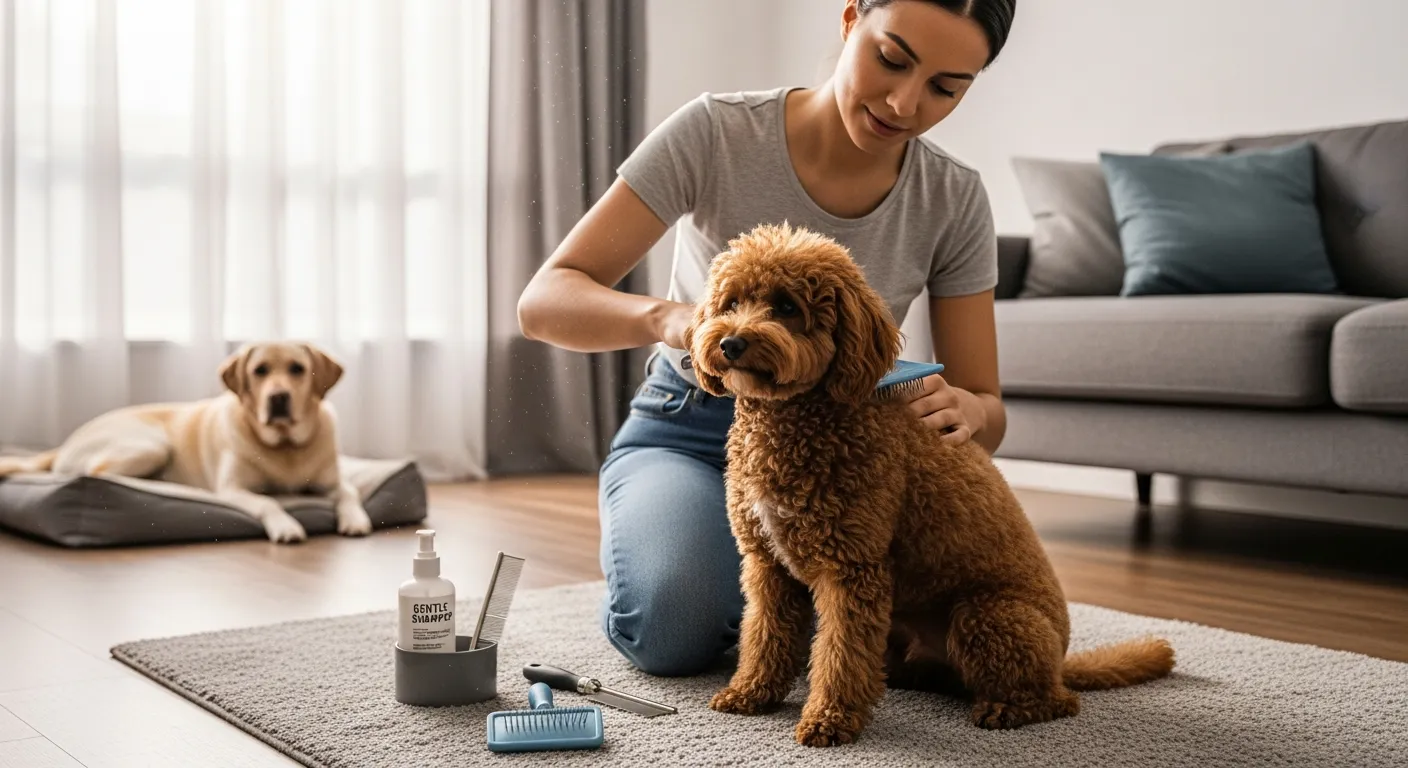
When you’re allergic to dogs, you’re usually reacting to proteins such as Can f 1, which are found in:
- Dander (tiny flakes of skin)
- Saliva
- Urine
These proteins stick to hair, furniture, carpets, and clothing and float through the air. That’s why your symptoms can flare even in a home that “looks” clean.
A key point that organizations like the American Academy of Allergy, Asthma & Immunology (AAAAI) and the American Veterinary Medical Association (AVMA) highlight: you’re allergic to the proteins, not the hair itself.
Why No Dog Is 100% Allergy-Free
You’ll sometimes see breeds advertised as “non-allergenic.“ That’s simply not true. Every dog produces allergen proteins, even hairless ones.
Studies have measured Can f 1 levels in homes and found that so-called hypoallergenic dogs sometimes had equal or even higher allergen levels than popular shedding breeds. One study, for example, found:
- Homes with Poodles could still have high Can f 1 levels
- Homes with Labrador Retrievers sometimes had lower levels than expected
So why do some allergy sufferers still do better with certain breeds?
Factors That Make Some Breeds Easier For Allergy Sufferers
When people say “hypoallergenic dog breeds,“ they usually mean breeds that are lower-shedding and sometimes easier to manage for allergy-sensitive owners.
Traits that can help:
- Hair-like or curly/wiry coats (like Poodles, Schnauzers, Bichons) that tend to hold on to dander instead of dropping it everywhere
- Single coats instead of a thick double coat that blows out seasonally
- Less overall shedding, so fewer hairs carrying allergens around your home
- Regular grooming and bathing, which research shows can dramatically lower surface allergen levels
But there’s a catch: even within the same breed, some individual dogs will produce more allergen than others. That’s why you’ll sometimes hear, “I’m allergic to most dogs, but I’m fine with this one.“
Are Hypoallergenic Dogs Right For You And Your Family?
Questions To Ask About Your Allergies And Lifestyle
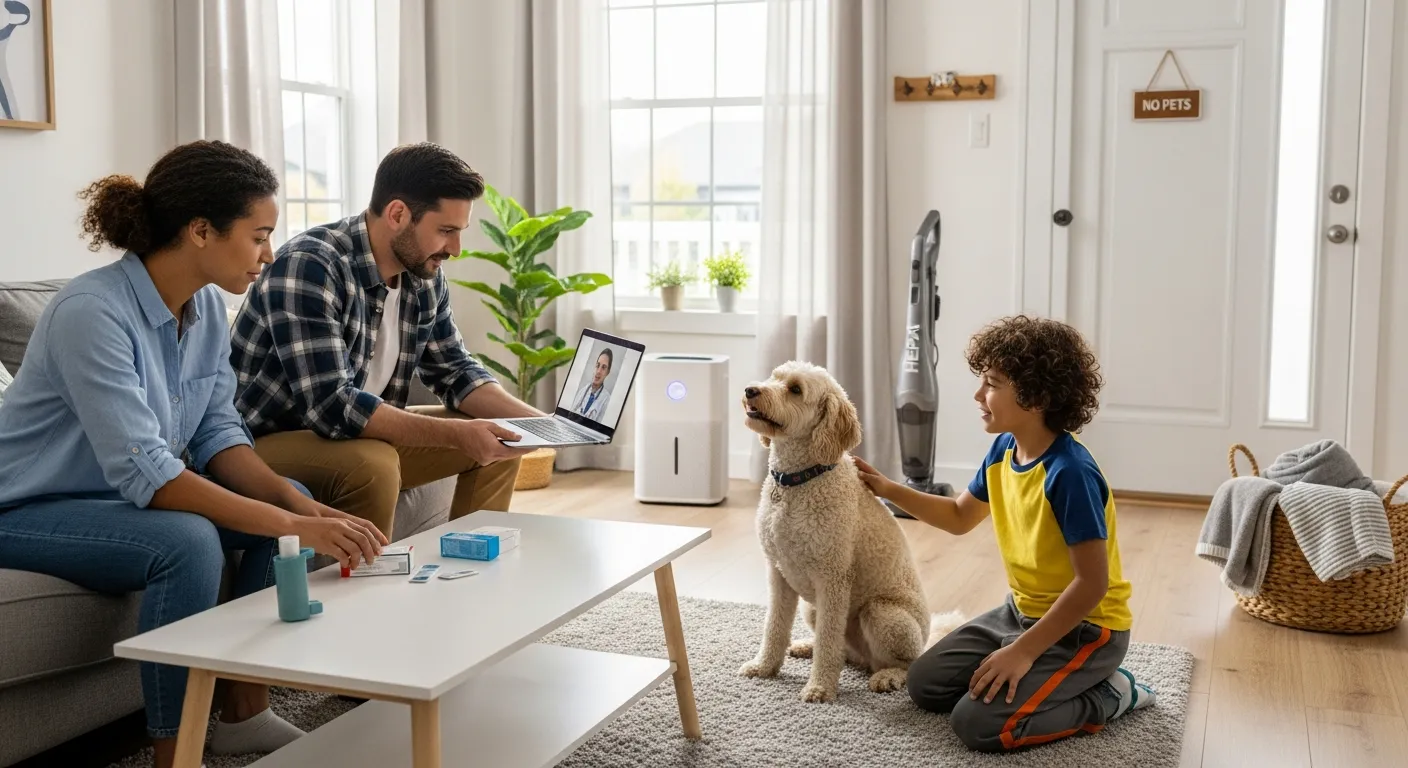
Before you fall in love with a cute curly puppy on Instagram, take a minute to honestly look at your situation:
- How strong are your symptoms around dogs now?
- Mild sniffles? Or wheezing and needing an inhaler?
- Do you have asthma or other respiratory conditions?
- Is anyone in the home severely allergic? Kids, partners, older relatives?
- How much time can you realistically spend on cleaning and grooming?
- Hypoallergenic-type coats often need more maintenance, not less.
- What’s your daily routine like?
- Long workdays? Young kids? An active lifestyle? This affects which breeds will fit.
If you’re willing to:
- Keep up with brushing and bathing
- Vacuum and wash bedding often
- Use air filters and set dog-free zones
…then a lower-shedding breed might work really well for you.
When To Talk With Your Doctor Or An Allergist
If your symptoms are more than mild, it’s smart to loop in a medical professional before bringing a dog home.
Consider seeing your doctor or an allergist if:
- You have asthma or a history of serious allergic reactions
- You’ve needed steroids, inhalers, or ER visits because of allergies
- You’re not sure whether your reactions are from dogs, dust, pollen, or something else
An allergist can:
- Do skin or blood tests to confirm dog allergies
- Help you plan medications or immunotherapy if needed
- Give you personalized guidance on what’s realistic for your health
The more you know about your own body’s reactions, the easier it is to choose the right dog and set up good routines from day one.
Small Hypoallergenic Dog Breeds
Popular Companion Breeds
If you live in an apartment or prefer a lapdog size, these small, lower-shedding breeds are often recommended for allergy-sensitive homes:
- Bichon Frise – Curly, white coat: cheerful and playful
- Maltese – Long, silky white hair: gentle and affectionate
- Toy or Miniature Poodle – Smart, easy to train, and versatile
- Yorkshire Terrier – Fine, hair-like coat: bold personality in a tiny body
- Havanese – Silky coat and very people-oriented
Remember: these breeds can still trigger allergies, but many owners find them easier to manage with good grooming.
Energy Levels, Temperament, And Family Fit
Most small hypoallergenic breeds are:
- Companion-focused – They love being with you, on you, near you
- Often good for apartments, as long as they get daily walks and play
- Generally great with families when socialized and trained kindly
A few notes:
- Bichons and Havanese tend to be friendly and social with people and other dogs.
- Poodles (even the tiny ones) are very smart and need mental stimulation, puzzle toys, training games, and short, fun sessions.
- Yorkies can be a bit spicy and vocal, so training and boundaries are important, especially in busy buildings.
Grooming Needs And Coat Care For Small Breeds
The tradeoff for less shedding is usually more grooming.
You’ll likely need to:
- Brush 2–4 times per week to prevent tangles and mats
- Schedule professional grooming every 4–8 weeks (depending on desired length)
- Keep eyes, ears, and paws clean to avoid irritation and infections
For allergy control, regular grooming is a bonus. One study found that grooming and bathing can reduce surface allergen (like Can f 1) by over 80% after a thorough session.
If brushing isn’t your thing, talk honestly with a groomer about low-maintenance cuts and what they recommend for your schedule.
Medium Hypoallergenic Dog Breeds
Active Family-Friendly Options
If you want a dog that can hike, play, and keep up with kids, mid-sized breeds can be a great middle ground:
- Miniature and Standard Schnauzer – Wiry, low-shedding coat: loyal and confident
- Portuguese Water Dog – Curly or wavy coat: bred as working water dogs
- Spanish Water Dog – Rustic curly coat: athletic and energetic
- Lagotto Romagnolo – Curly Italian truffle dog: smart and affectionate
These breeds are often described as “hypoallergenic” because of their coat texture and lower shedding, but they’re definitely not low-effort.
Exercise, Training, And Space Requirements
Most medium hypoallergenic breeds are:
- High energy – Plan on at least 60–90 minutes of daily activity
- Smart and work-oriented – They thrive with training and “jobs” (agility, nose work, obedience)
- Best for homes where you enjoy being active outdoors or can commit to mental stimulation indoors
If you live in a smaller space, you can still make it work by:
- Taking daily walks and play sessions
- Using food puzzles and sniffing games
- Doing short, positive training sessions throughout the day
Grooming And Professional Maintenance Considerations
Medium curly or wiry coats usually need:
- Regular brushing (several times a week)
- Scheduled trims or hand-stripping (for wire coats like Schnauzers)
- Careful drying and combing after swimming or baths to prevent mats
If your dog loves water (like Portuguese Water Dogs), that can actually help reduce surface dander, just make sure you rinse out chlorine or salt and keep the skin healthy to avoid irritation.
Large And Low-Shedding Dogs For Allergy-Sensitive Homes
Bigger Breeds With More Manageable Coats
If your heart is set on a larger dog, there are still some lower-shedding options that many allergy-prone owners consider:
- Standard Poodle – Athletic, brilliant, and extremely versatile
- Some Doodle mixes (Labradoodle, Goldendoodle, etc.) – Results vary: coats can be curly, wavy, or more shedding
- Irish Water Spaniel – Curly coat: active and clownish
- Giant Schnauzer – Large, powerful working dog with a wiry coat
One important reality check: research has shown that Poodles and Doodle mixes can still produce plenty of allergen, and doodle coats are not guaranteed to be low-shedding.
Temperament And Home Setup For Large Dogs
With big dogs, you’re not just managing allergies, you’re also sharing your space with a lot more dog.
Ask yourself:
- Do you have enough space for a large dog to move comfortably?
- Are you prepared for stronger pulling and bigger paws around kids or older relatives?
- Can you commit to daily exercise (walks, runs, games of fetch, training)?
Many large, low-shedding dogs are:
- Loyal and people-focused, wanting to be near you most of the time
- High energy or working types, needing mental and physical jobs
Daily Care To Keep Shedding And Dander Lower
For large hypoallergenic-type dogs, daily habits matter a lot:
- Brush thoroughly several times a week (or daily for longer coats)
- Wipe paws and coat with a damp cloth after outdoor time to reduce allergens and dust
- Use a HEPA air purifier in main living and sleeping areas
- Wash dog bedding and blankets weekly in hot water
Because a bigger dog simply has more surface area, staying on top of grooming and home cleaning can really help keep your symptoms down.
How To Choose The Best Hypoallergenic Breed For Your Home
Matching Energy Level And Personality To Your Lifestyle
Instead of starting with “Which breed is the most hypoallergenic?“, try starting with:
- How active are you really?
- Do you prefer a dog who’s glued to your side, or one who’s a bit more independent?
- Are you okay with daily brushing and paid grooming, or do you need something simpler?
As a rough guide:
- Couch companion with moderate walks – Bichon Frise, Maltese, Havanese, some lower-key Poodles
- Active, outdoorsy lifestyle – Portuguese Water Dog, Lagotto Romagnolo, many Doodles (if well-bred)
- Highly trainable and sport-ready – Poodles, Schnauzers, many water dogs
Puppy Versus Adult Or Senior Dog
Allergies can be harder to predict in puppies because their coat and dander production change as they mature.
With adult or senior dogs, you can:
- See the full coat type and shedding pattern
- Spend time with them and check how your body reacts
- Often get more information from rescues or foster homes about their behavior and grooming needs
If your allergies are moderate to severe, choosing an adult dog can make things more predictable than rolling the dice on a puppy.
Meeting Dogs In Person And Testing Your Reaction
Whenever possible, spend time with the individual dog before you adopt or buy:
- Visit the dog several times if you can
- Sit on the floor, pet them, let them lick your hands (if you’re comfortable)
- Then note your symptoms over the next 24 hours
You can also:
- Ask for a blanket or towel the dog has slept on and keep it at home for a day or two
- See how you feel waking up the next morning
This isn’t perfect, but it’s much better than choosing purely from photos or breed reputation.
Practical Allergy Management Tips After You Bring A Dog Home
Home Cleaning Habits That Make A Big Difference
Once your new dog moves in, your daily habits are just as important as the breed you chose.
Helpful routines include:
- Vacuum with a HEPA filter 2–3 times per week (or more, if needed)
- Use hard floors or washable rugs where possible
- Wash dog bedding, throws, and cushion covers weekly in hot water
- Dust with a damp cloth instead of a dry one (so allergens don’t go airborne)
- Run a HEPA air purifier in your bedroom and main living area
Bathing, Brushing, And Grooming Routines
For most hypoallergenic-type coats, a good routine is:
- Brushing: 3–7 times per week, depending on coat length and curl
- Bathing: every 3–4 weeks (or as advised by your vet or groomer) with a gentle dog shampoo
- Professional grooming: every 4–8 weeks for trims and deep brush-outs
Research has found that thorough grooming can reduce allergen levels on the coat by around 80% or more, so think of grooming not just as cosmetic, but as a health tool for you.
If you have asthma or strong allergies, you might:
- Have a non-allergic family member handle the brushing
- Wear a mask during and shortly after grooming
- Do grooming outdoors or in a well-ventilated area when weather allows
Creating Low-Allergen Zones In Your Home
Designate a few spaces where your body can truly rest:
- No-dog bedroom rule so you can sleep in a low-allergen environment
- Keep doors closed and use an air purifier in those spaces
- Use smooth bedding (not heavy, fuzzy fabrics that trap dander)
You can still have plenty of cuddle time on the couch, just having one or two “safe zones” can make a huge difference in how you feel day-to-day.
Working With Shelters, Rescues, And Ethical Breeders
What To Ask About Coat Type, Health, And History
Whether you’re talking to a breeder, shelter, or rescue, don’t be shy about bringing up your allergies and asking detailed questions.
Ask about:
- Coat type – Curly, wavy, wiry, straight: single or double coat
- Shedding pattern – Do they blow coat seasonally? Do they shed year-round?
- Grooming history – How often have they been brushed and bathed?
- Health history – Skin issues or infections can increase dander and irritation
With breeders, look for those who:
- Health test breeding dogs for hereditary conditions
- Are honest that no dog is 100% hypoallergenic
- Want to make sure you and the dog are a good match, not just make a sale
Trial Visits, Fostering, And Return Policies
Good rescues, shelters, and ethical breeders understand that allergies can be unpredictable.
If possible, ask about:
- Multiple meet-and-greets with the same dog
- Short trial periods or fostering-to-adopt, so you can see how your body responds over several days or weeks
- Clear, written return policies if your allergies become unmanageable
It’s not a failure if a dog isn’t the right fit for your health. Being honest early protects both you and the dog, and helps them eventually land in the right home.
Conclusion
Living with dog allergies doesn’t automatically mean living without dogs. It just means you need to be a little more intentional.
If you:
- Understand that no breed is truly allergy-free
- Choose a lower-shedding breed that fits your energy and lifestyle
- Test your reaction to individual dogs when you can
- Commit to consistent grooming and home cleaning routines
…there’s a very good chance you can share your life with a dog and still feel like yourself.
You deserve the joy of a dog who greets you at the door, curls up at your feet, and becomes part of your family. With the right information and habits, “hypoallergenic dog breeds“ can be less of a myth and more of a practical pathway to the companion you’ve been hoping for.