
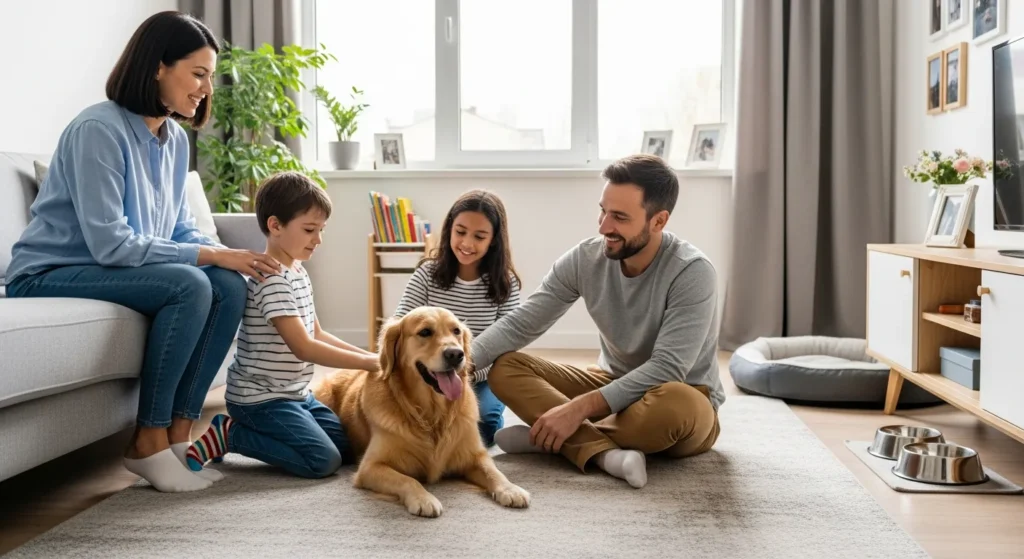
You’ve decided it’s finally time to add a dog to your family. Exciting… and a little overwhelming.
Friends are swearing by their Goldens, your neighbor says “get a doodle,“ your kids want a tiny puppy, and your social feeds are full of rescue pleas. Meanwhile, you’re just trying to figure out the best dog for a family like yours, one that fits your home, your budget, and your actual day-to-day life.
This guide walks you through the key things to think about (beyond “cute”), which dog types tend to do well with families, and how to set your new dog up for success so everyone, kids, adults, and pup, feels happy and safe.
What “Best Family Dog” Really Means
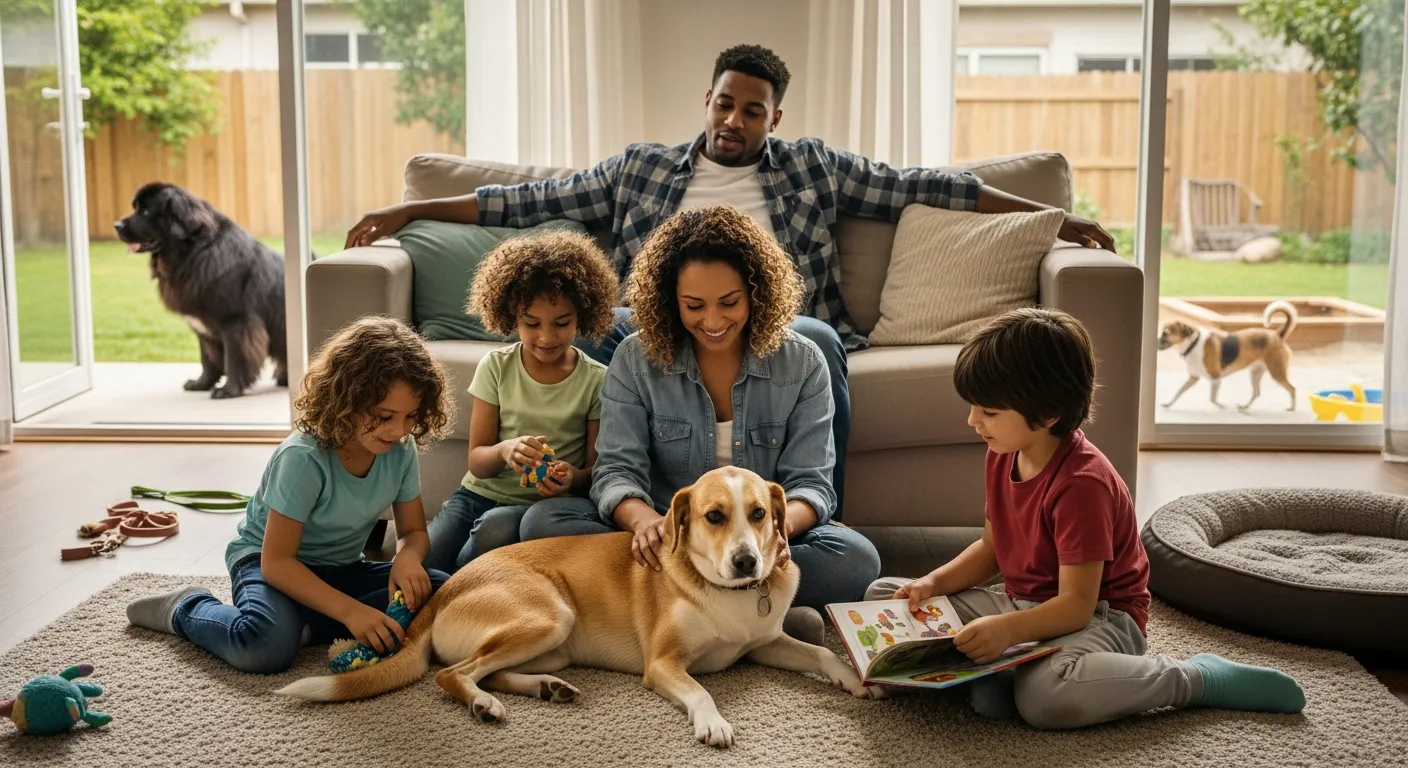
When people ask, “What’s the best dog for a family?“ they usually want a dog that’s great with kids, easy to live with, and safe.
But there isn’t one magic breed. The best family dog is the dog whose temperament and needs match your family.
Most veterinarians and behaviorists agree on a few core traits that make a dog “family-friendly”:
- Stable, predictable temperament – Not overly reactive: doesn’t flip from calm to frantic or snappy.
- Gentle and patient – Can handle kid noise, sudden movements, and the occasional dropped toy.
- Resilient – Recovers quickly from surprises (like a slammed door or a falling pan).
- Appropriate energy level – Enough energy to play, but not so much that they’re bouncing off the walls.
- Trainability and sociability – Enjoys being around people and can learn basic manners.
The American Veterinary Medical Association (AVMA) and many certified trainers emphasize that while breed tendencies matter, individual temperament and early experiences are just as important. That’s why you’ll see amazing family dogs in all shapes and sizes, from tiny rescue mixes to giant Newfoundlands.
So instead of asking, “What’s the best family breed?“ ask, “What kind of dog fits our real life?“
Key Things To Consider Before You Pick A Family Dog

Before you fall in love with a pair of big puppy eyes, step back and look honestly at your day-to-day life. This is where you prevent a lot of future stress and behavior issues.
Your Lifestyle, Schedule, And Energy Level
Think about a normal weekday:
- How long are you out of the house?
- How often can you walk or play with your dog?
- Do you like hiking, or are you more of a movie-on-the-couch family?
Active families who enjoy runs, hikes, or long park walks usually do better with dogs like Labradors or some mixed breeds with sporting or herding backgrounds.
Busy or lower-energy families (long workdays, younger kids, or mobility limits) tend to be happier with calmer breeds or older rescue dogs who are content with shorter walks and lots of couch time.
If you bring home a high-energy dog and can’t meet their exercise needs, you’ll often see “behavior problems” like:
- Chewing furniture
- Barking for attention
- Zooming or rough play inside
These are really pent-up energy problems, not “bad dog” issues.
Home Size, Yard Access, And Neighbors
You don’t need a huge house to have a dog, but space does matter.
- Apartments / no yard: Look for smaller or moderate-energy dogs who are fine with leash walks and indoor play, like Cavalier King Charles Spaniels, Boston Terriers, older mixed breeds, or calm rescues.
- Suburban home / small yard: Many medium dogs (like Beagles or Bulldogs) can do great with daily walks and a bit of play space.
- Large home / big yard: This opens the door for bigger, active breeds (Labradors, Golden Retrievers, Newfoundlands) as long as you still provide walks and training. A yard is helpful, but it’s not a replacement for exercise and interaction.
Also think about noise. If you have close neighbors or thin walls, a very vocal breed (some hounds, watchdog-type breeds) might cause friction.
Ages Of Children And Household Members
The age and physical sturdiness of your kids (and any older adults) really changes what will work best.
- Toddlers and young kids often do well with calm, gentle, slightly bigger dogs who aren’t as fragile, think Golden Retrievers, Newfoundlands, or medium mixed breeds with stable temperaments.
- School-age kids and teens can help with walks and training, so slightly higher-energy dogs can be a better match.
- Older adults or people with mobility issues may prefer small-to-medium, easy-to-handle dogs and possibly an adult or senior dog that’s already trained.
No matter the breed, always:
- Supervise kids and dogs together
- Teach kids to be gentle (no tail pulling, no climbing on the dog)
- Give the dog a safe space where they’re not bothered
Allergies, Shedding, And Grooming Needs
Allergies are a big deal for many families. While no dog is 100% hypoallergenic, some tend to shed less dander:
- Lower-shedding options: Poodles and poodle mixes, some terriers, Portuguese Water Dogs.
- Moderate-to-heavy shedders: Golden Retrievers, Labradors, Beagles, many mixed breeds.
Also consider grooming:
- Long- or curly-coated dogs often need regular professional grooming, which is an ongoing cost.
- Short-coated dogs shed too, but may only need simple brushing and baths at home.
If someone in your home has allergies, talk with your doctor and spend time visiting dogs of that type before committing.
Budget For Food, Vet Care, And Insurance
A family dog is a long-term commitment, often 10–15 years.
Larger breeds like Labradors and Newfoundlands:
- Eat more (higher food costs)
- Often have more joint issues (hips, elbows)
- May need more medications at higher doses
Smaller dogs typically cost less in food and some meds, but any dog can have health problems.
Plan for:
- Routine vet care and vaccines (AAHA/AVMA guidelines)
- Spay/neuter (if not already done)
- Flea, tick, and heartworm prevention
- Pet insurance or a savings fund
When you look at your budget honestly now, you’re much more likely to choose a dog you can care for comfortably, without money stress down the line.
Most Popular Family-Friendly Dog Types (With Pros And Cons)
There are some dog types that show up again and again as “good with families.“ That doesn’t mean every individual will be perfect, but these groups are a helpful starting point.
Small And Lower-Energy Companions
Examples: Cavalier King Charles Spaniel, Boston Terrier, many small mixed breeds
Why families like them:
- Often apartment-friendly
- Enjoy cuddling and being near you
- Usually need short, regular walks rather than long runs
Things to watch for:
- Some small breeds (like Cavaliers and flat-faced breeds) are prone to heart or breathing issues
- Can be more fragile around rough toddlers, supervision is key
If you want a dog that’s happy to hang out on the couch after a short walk, this group can be a great fit.
Medium Active Family Dogs
Examples: Beagle, Bulldog, many medium mixed breeds
Why families like them:
- Many are pack-oriented, enjoying being part of a family
- Often tolerant of noise and activity
- Bulldogs and similar breeds can be surprisingly calm indoors
Things to watch for:
- Beagles and other hounds can be vocal, howling or baying
- Bulldogs and other short-nosed breeds can have breathing problems, heat intolerance, and a tendency to gain weight
If your family wants a dog that plays in the yard but also naps at your feet, a medium family dog might be just right.
Large, Gentle Breeds For Space-Rich Homes
Examples: Golden Retriever, Labrador Retriever, Newfoundland
These are the classic “family dogs” for a reason.
Why families like them:
- Known for gentle, patient, people-loving temperaments
- Often fantastic with kids when properly socialized
- Usually very trainable and eager to please
Things to watch for:
- Need lots of exercise and mental stimulation
- Heavy shedding in many cases
- Prone to joint issues (hips, elbows) and, in some breeds, shorter lifespans and higher vet bills
These dogs often shine in active, somewhat outdoorsy families who enjoy walks, swimming, or backyard games.
Mixed Breeds And Rescue Dogs
Mixed breeds are often awesome family dogs and deserve a huge spotlight.
Shelters and rescues can help you match a dog’s known temperament and energy to your life. Many adult rescues:
- Are already house-trained
- Have calmer energy than puppies
- Have known personalities (good with kids, cats, etc.)
Behavior experts and groups like the ASPCA often point out that focusing only on breed can make you miss great dogs. Instead, look at:
- How the dog behaves in a real home or foster home
- How they respond to meeting you and your kids
- What the staff or foster says about their daily habits
For many families, the best dog for a family ends up being a mixed-breed rescue with a solid, steady temperament and a good match for lifestyle and energy.
Why Temperament And Training Matter More Than Breed
Even within one breed, you’ll see huge differences from dog to dog. That’s why organizations like the American College of Veterinary Behaviorists stress individual behavior over labels.
Reading Temperament: What To Look For In A Family Dog
When you meet a dog, notice:
- Body language – Loose, wiggly body and soft eyes are good signs: very stiff, hard stares or growling are red flags.
- Reaction to new people – A good family candidate may be a bit shy at first, but warms up with gentle interaction.
- Tolerance for handling – Can you touch paws, ears, and back gently without drama? (Go slowly and always ask the handler first.)
- Response to mild surprises – A dropped object or small noise shouldn’t make them completely panic.
You’re aiming for confident, friendly, and social, not wild or overly fearful.
Socialization, Training, And The First Six Months
The first months in your home are huge for long-term behavior. The AVMA and many trainers agree that early, positive socialization can prevent a lot of future problems.
Focus on:
- Positive experiences with kids, adults, other dogs (no forcing interactions)
- Reward-based training for basics: sit, stay, come, leave it, walking on leash
- Short, fun sessions a few times a day instead of long, stressful drills
This is where many “behavior fixes” are actually just good habits built early. A well-socialized dog is more relaxed, easier to manage, and safer around kids and visitors.
Adopting Vs. Buying: How To Choose The Right Individual Dog
You can find an excellent family dog through shelters, rescues, or ethical breeders. The key is doing your assignments and not rushing.
Working With Shelters And Rescues
Good shelters and rescues will:
- Ask about your lifestyle and experience
- Share what they know about a dog’s history and temperament
- Encourage meet-and-greets with your whole family and any existing pets
Questions you can ask:
- How is this dog with children and strangers?
- What’s their energy level like day to day?
- Any known medical issues?
If possible, choose dogs who’ve lived in foster homes, because fosters often have great insight into daily behavior.
Working With Ethical Breeders
If you decide to buy from a breeder, look for one who:
- Health-tests parent dogs for common breed issues
- Lets you see where the dogs live
- Doesn’t always have puppies “ready now” year-round
- Asks you questions to be sure you’re a good match
Ethical breeders care where their puppies go and will be honest about any breed challenges (like shedding, exercise needs, or health risks).
Red Flags To Avoid Wherever You Adopt Or Buy
Walk away if you see:
- Pressure to buy right now
- Very dirty, crowded, or stressful living conditions
- No vet records or vaccination history
- Signs of aggression or severe fear that staff ignore or downplay
Choosing a dog is emotional, but staying clear-headed here protects your family and supports better animal welfare.
Setting Your New Family Dog Up For Success
Once you’ve found your match, it’s all about helping your new dog feel safe and learn the house rules.
Preparing Your Home And Kids
Before your dog comes home:
- Set up a safe zone – a crate or quiet room with a bed, water, and toys.
- Dog-proof – move cords, shoes, kids’ toys, and trash out of reach.
- Talk with your kids about gentle behavior:
- No hugging tightly or riding the dog
- No bothering the dog when they’re eating or sleeping
- Using “inside voices” around the dog
Make it clear that when the dog goes to their bed or crate, that means “do not disturb.“
Daily Routines For A Calm, Happy Family Dog
Dogs love predictability. A simple daily routine might look like:
- Morning: Potty break, short walk, breakfast
- Midday: Potty break, play or quick training session
- Evening: Walk or play, dinner, quiet family time
Try to:
- Keep feeding and walk times roughly consistent
- Include short training sessions (5–10 minutes) most days
- Offer mental enrichment: food puzzles, snuffle mats, basic scent games
These small habits help prevent anxiety and destructive behavior, and they strengthen your bond.
When To Get Professional Help (Trainer Or Vet)
Don’t wait until things feel out of control. Reach out early if you notice:
- Growling, snapping, or guarding food or toys
- Extreme fearfulness or anxiety (constant pacing, panting, hiding)
- House-training issues that aren’t improving
Start with your veterinarian to rule out medical problems (pain, illness) and ask for a referral to a force-free, reward-based trainer or veterinary behaviorist.
Getting help early is a smart, caring move, not a failure.
Conclusion
The best dog for a family isn’t the one trending on social media or the one your neighbor insists you “have to get.“ It’s the dog whose temperament, size, energy level, and health needs truly fit your home and your people.
If you:
- Honestly assess your lifestyle and budget
- Prioritize temperament and social behavior over looks or hype
- Work with reputable shelters, rescues, or ethical breeders
- Invest early in training, socialization, and routines
…you’re very likely to end up with a dog who feels like they’ve always belonged with you.
Take your time, ask lots of questions, and trust that the right dog is out there. When you find that match, all the careful planning pays off every time you see your dog curled up next to your kids, happily and safely part of the family.